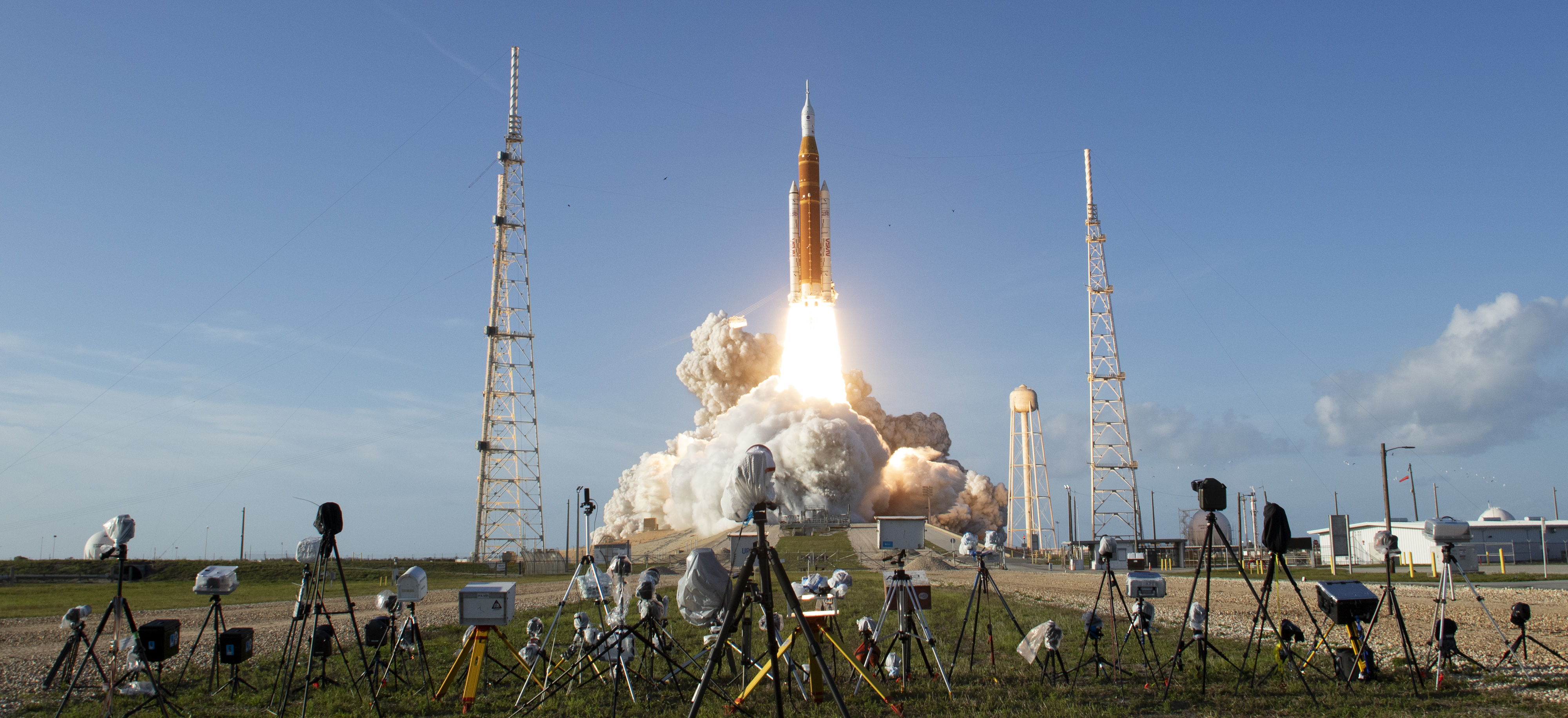
Summary
An astronomer warns that NASA's Artemis program, designed to return humans to the moon, could lead to unregulated commercial activities if not properly managed. The program, which includes international collaboration but excludes China and Russia, is seen as a chance to update international space laws. The astronomer suggests using principles similar to the Antarctic Treaty to prevent conflicts and preserve space environments.
Key Facts
- NASA's Artemis program aims to increase human exploration beyond Earth's orbit, focusing on the moon.
- Artemis II is the first crewed mission in the Artemis program, with astronauts testing critical systems for future space travel.
- The program includes cooperation from multiple countries but notably excludes China and Russia.
- Concerns exist regarding the potential for the Artemis program to enable unregulated mining activities on the moon.
- The 1967 Outer Space Treaty prohibits ownership of extraterrestrial bodies and contamination of space environments.
- Private companies like SpaceX and Blue Origin are increasingly involved in Artemis missions, sparking discussions on space regulation.
- There is a call for a new international space treaty to manage increasing space debris and ensure sustainable space exploration.
- Analogies are drawn to the Antarctic Treaty, which successfully manages territorial claims and activities in Antarctica.