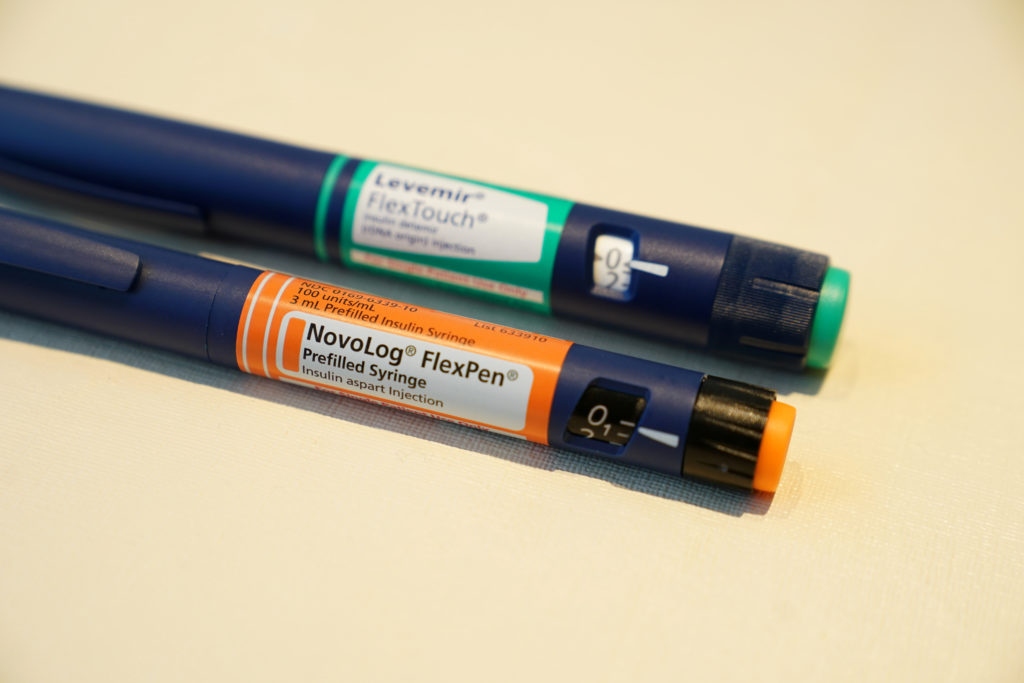
Diabetes advocates hold out hope as a bipartisan bill revives efforts to lower insulin costs
Summary
A new bipartisan bill called the INSULIN Act aims to lower insulin costs to $35 per month for people with private insurance in the U.S. The bill also proposes a pilot program to help uninsured people access affordable insulin in ten states. Insulin prices are currently a major concern for many, as they vary widely and can be expensive even for those with insurance.Key Facts
- The INSULIN Act proposes a $35 monthly cap on insulin costs for those with private insurance.
- A pilot program in 10 states will help uninsured people get cheaper insulin.
- About 8.1 million people in the U.S. use insulin, including over 2 million with Type 1 diabetes.
- Insulin prices vary, with some paying nothing and others paying hundreds monthly.
- The 2022 Inflation Reduction Act capped insulin costs at $35 per month for Medicare recipients.
- Over half of U.S. states have set their own caps on insulin co-pays, between $25 and $100 monthly.
- Major insulin makers have taken steps to reduce insulin costs and increase affordability.
- People with self-insured plans and some uninsured individuals struggle to benefit from existing cost-saving measures.
Read the Full Article
This is a fact-based summary from The Actual News. Click below to read the complete story directly from the original source.