Summary
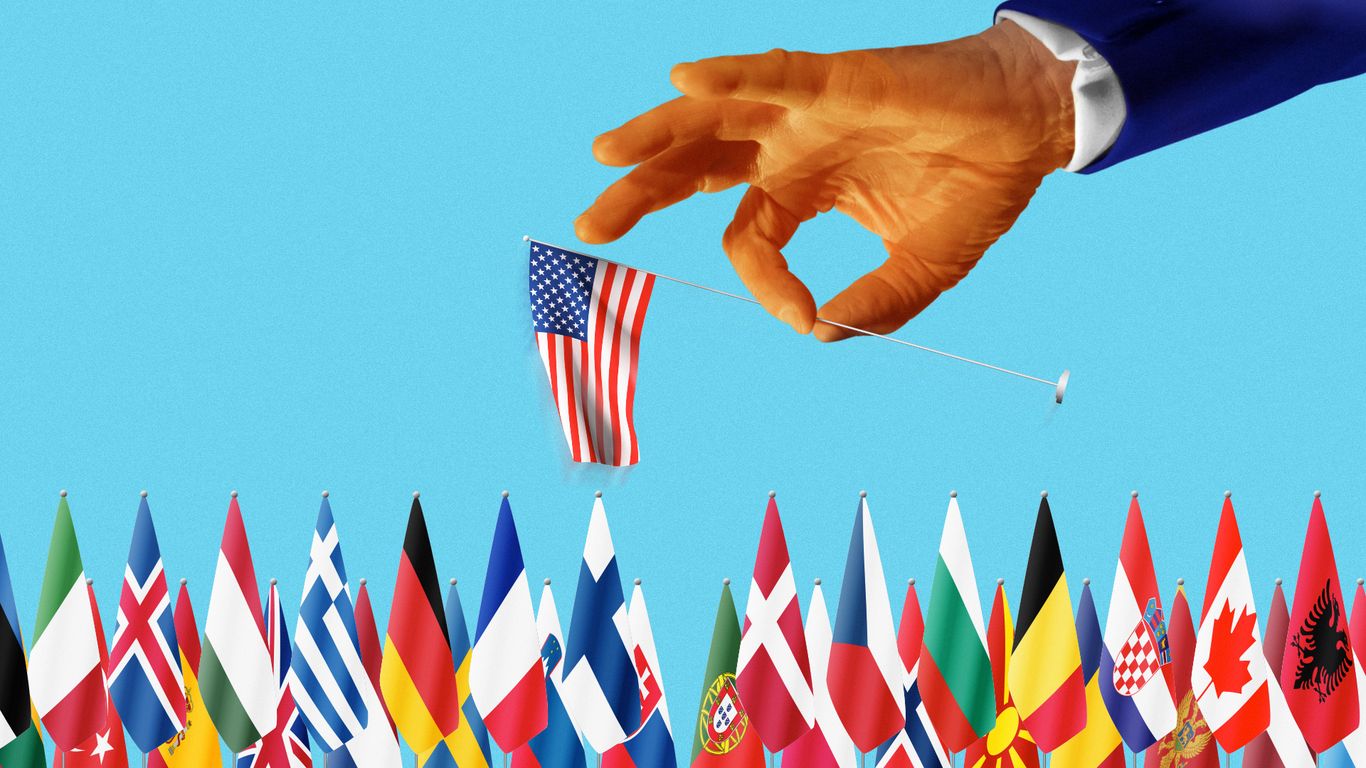
President Donald Trump has expressed dissatisfaction with NATO allies for not supporting U.S. actions in the conflict with Iran, suggesting he might reconsider the U.S.'s role in the alliance. NATO's core principle of mutual defense is not directly applicable to the Iran situation, but Trump's stance raises concerns about the alliance’s future. This tension occurs amid Russia benefiting strategically from the conflict and rising oil prices.
Key Facts
- President Trump criticized NATO allies for not providing support in the U.S. conflict with Iran.
- NATO’s mutual defense rule does not apply to the Iran conflict, which is outside NATO's territorial focus.
- There are worries about NATO’s effectiveness if the U.S. reduces its commitment.
- President Trump threatened to withdraw from NATO if allies don’t cooperate.
- Russia is gaining advantage from the situation, with increased oil revenues and attention diverted from Western concerns.
- U.S. law states that a president cannot withdraw from NATO without Congress, but legal challenges could arise.
- Tensions with NATO come after previous disputes, such as Trump's interest in Greenland and tariffs on allies.
- European leaders are considering new security plans to depend less on U.S. support.