Disfigured, shamed and forgotten: The BBC visits the Korean survivors of the Hiroshima bomb
Summary
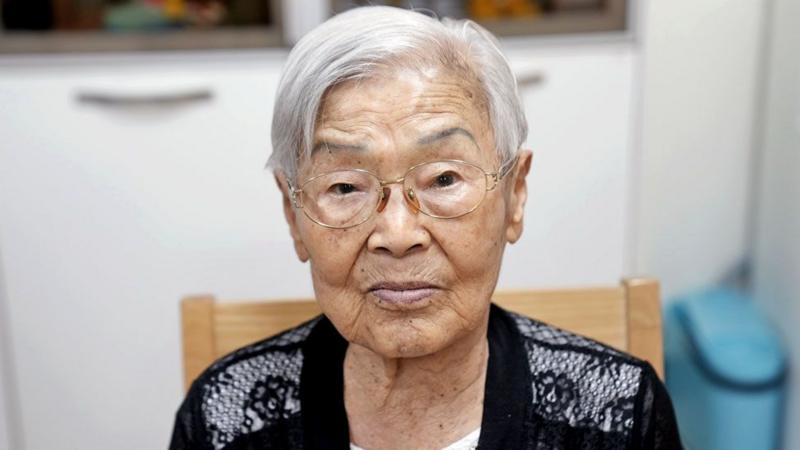
The article discusses Korean survivors of the Hiroshima atomic bomb, focusing on their experiences and struggles for recognition and justice. Approximately 20% of the immediate victims of the Hiroshima bomb were Koreans, many of whom still live with the long-term effects. The story highlights the ongoing health issues faced by the survivors and their families, as well as unresolved historical grievances.Key Facts
- The Hiroshima atomic bomb was dropped by the United States on August 6, 1945.
- Around 70,000 people died instantly, and many more in the following months from injuries.
- Approximately 140,000 Koreans lived in Hiroshima at the time, constituting about 20% of the immediate victims.
- Many Koreans had moved to Hiroshima due to forced labor and colonial conditions under Japanese rule.
- Hapcheon, South Korea, is home to many Korean atomic bomb survivors and is known as "Korea's Hiroshima."
- Survivors face ongoing health problems, such as skin cancer and heart conditions, possibly due to radiation exposure.
- The Ministry of Health and Welfare in South Korea plans to continue genetic studies to assess the impacts on survivors' descendants.
- Survivors feel ignored by Japan, the U.S., and South Korea, as they seek accountability and justice.
Read the Full Article
This is a fact-based summary from The Actual News. Click below to read the complete story directly from the original source.