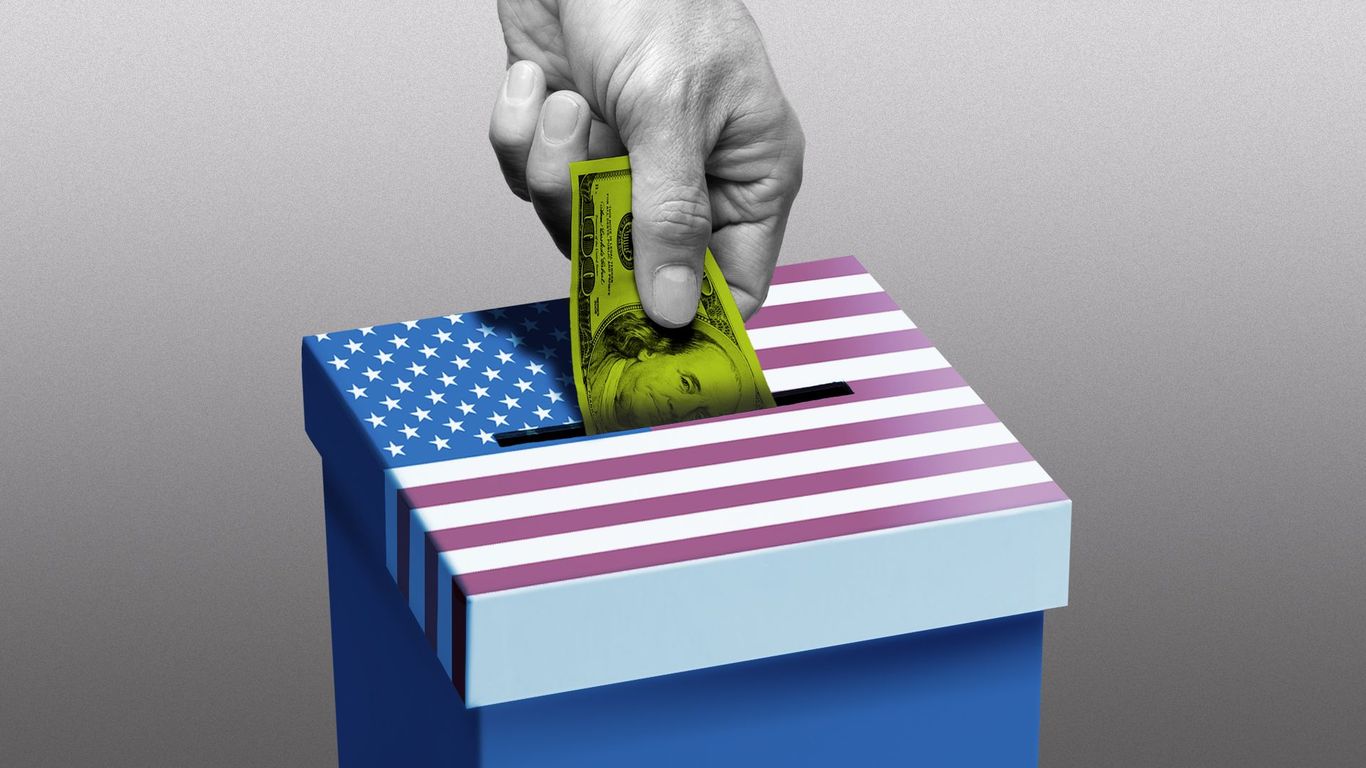
How millions in taxpayer dollars are helping fund House members' reelection bids
Summary
Members of the U.S. House of Representatives use taxpayer money for communications that may help them in reelection campaigns. This practice, called "franking," allows officials to send mail and ads to constituents using public funds. In recent elections, some members spent millions on ads, which critics say looks more like campaigning than informing the public.Key Facts
- "Franking" is a practice that allows lawmakers to use taxpayer money for mail and ads to inform constituents.
- During the 2024 election cycle, House members spent $44 million on mail and $19 million on ads using franked funds.
- Around $5 million was spent on television and digital ads marked as paid with official funds.
- The biggest spenders often compete in highly contested elections.
- House members spent nearly $1.4 million on ads since the start of the 2026 election cycle.
- Under federal law, franked communications are allowed until 60 days before an election.
- Ethics experts criticize this as misuse of taxpayer money for political gain.
- Some lawmakers argue they prioritize communication to keep constituents informed.
Read the Full Article
This is a fact-based summary from The Actual News. Click below to read the complete story directly from the original source.