Summary
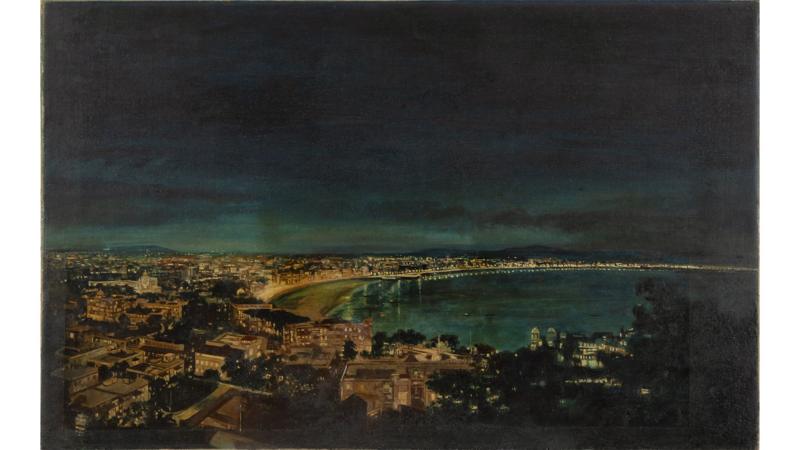
The article explains how Bombay (now Mumbai) developed from a collection of seven islands into a large, bustling city with 20 million people. An exhibition called "Bombay Framed" uses images and multimedia to show the city's transformation over time, influenced by political, economic, and social changes. It highlights various phases in the city's growth, from colonial developments to modern infrastructure.
Key Facts
- Bombay, now Mumbai, was originally seven separate islands.
- A new exhibition called "Bombay Framed" documents the city's historical evolution.
- The exhibition includes over 100 images spanning three centuries.
- Major changes occurred in the 1830s and 1840s, such as land reclamation.
- In the 1860s, fort walls were removed, leading to more colonial buildings.
- During the 1920s and 1930s, Art Deco buildings were added along Marine Drive.
- Since the 2000s, infrastructure like sea bridges and coastal roads has further changed the city.
- The city features a mix of historical and modern structures, showcasing its diverse character.