Summary
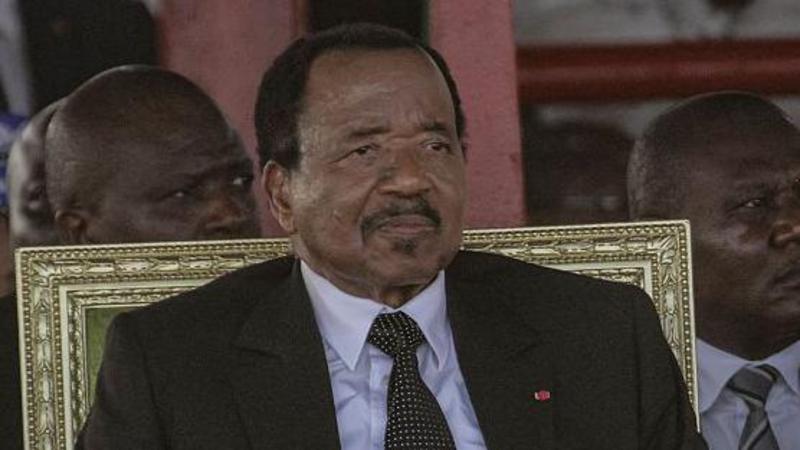
President Paul Biya of Cameroon, the world's oldest leader, will now have a vice-president for the first time since he started leading the country in 1982. The constitutional change, passed by parliament, means the vice-president will take over if anything happens to Biya. This move has faced criticism from the opposition, who claim it consolidates power.
Key Facts
- President Paul Biya, aged 93, has been in power since 1982.
- Cameroon is reintroducing the vice-president position after scrapping it in 1972.
- The new vice-president will be appointed by the president and can take over if the president cannot serve.
- The Cameroonian parliament passed the constitutional change with 200 votes in favor.
- Opponents argue the change was rushed and serves to strengthen Biya's hold on power.
- The Social Democratic Front boycotted the vote, seeking an elected vice-president instead.
- Critics say the change does not address the linguistic split between French and English-speaking regions.
- The ruling party claims the move will improve government efficiency.