Summary
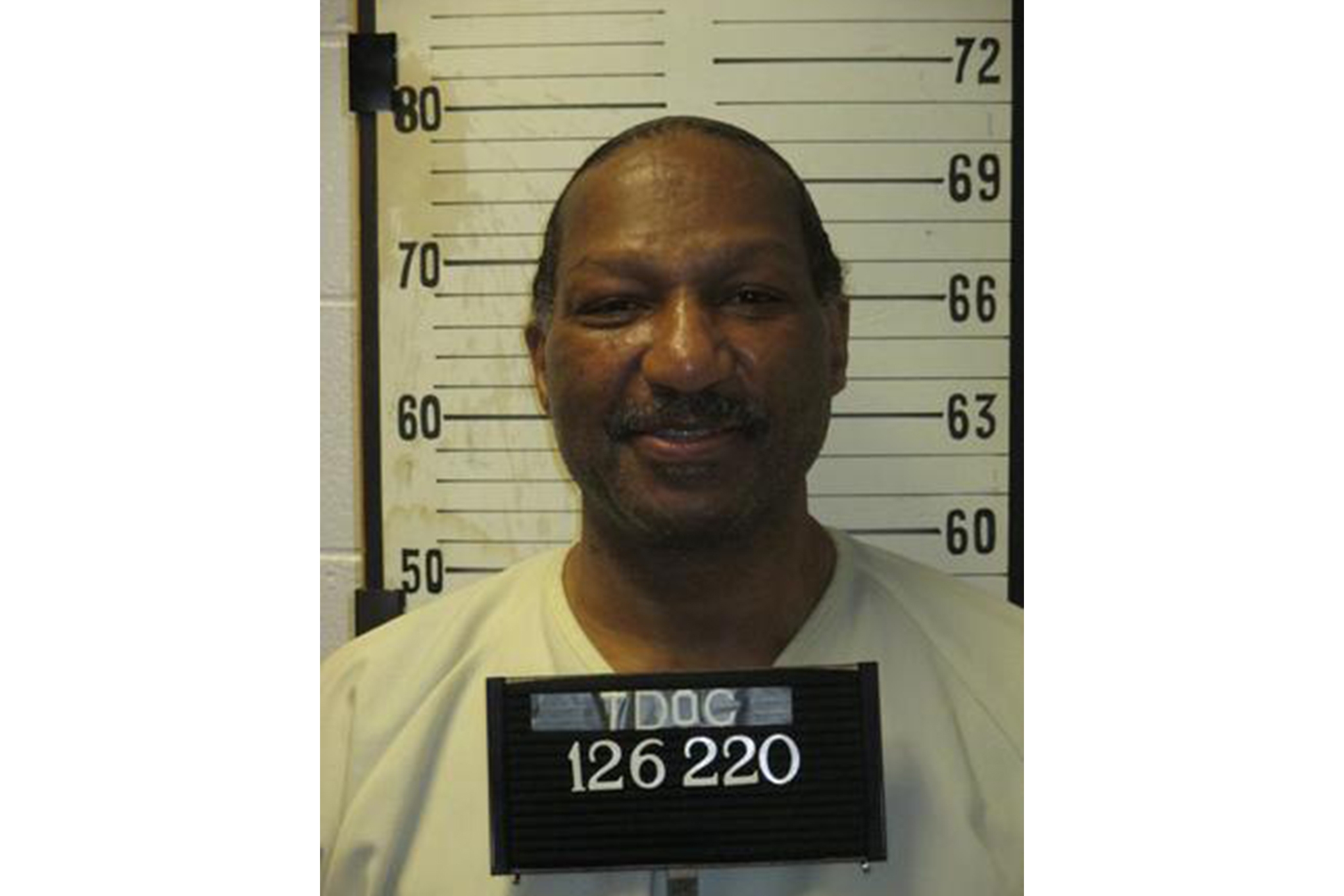
Tennessee plans to execute Byron Black, who has a working defibrillator implanted in his chest. This could be the first case of executing someone with such a device. Black's appeals to stop the execution have been denied, and concerns remain about the potential effects of the defibrillator during the execution.
Key Facts
- Tennessee plans to execute Byron Black, a 69-year-old man with a working defibrillator.
- The execution is scheduled for Tuesday, and it would be Tennessee's second execution of the year.
- Governor Bill Lee did not grant a reprieve after a legal debate regarding the defibrillator's potential impact during the execution.
- The U.S. Supreme Court rejected Black's appeals.
- Black was convicted for the 1988 murders of Angela Clay and her two daughters.
- Black's attorneys argue the defibrillator could cause unnecessary pain during the execution unless deactivated.
- The state Supreme Court overruled a decision requiring the defibrillator to be turned off.
- There are ethical concerns about medical professionals participating in executions.