Summary
The article compares the political outcomes of youth-led protests in Nepal and Bangladesh. In Nepal, the Rastriya Swatantra Party (RSP) achieved a significant victory in elections, leading to a new prime minister and many Gen Z lawmakers in parliament. Conversely, in Bangladesh, a similar youth-led movement failed to gain political power, with the established Bangladesh Nationalist Party winning the elections.
Key Facts
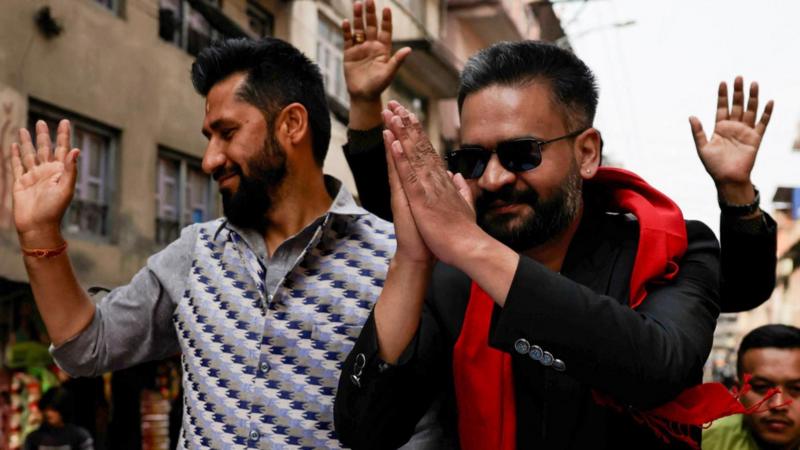
- Nepal's Rastriya Swatantra Party (RSP) won a major election victory.
- Balendra Shah became Nepal's new prime minister following the RSP's success.
- Many Gen Z politicians in Nepal secured seats in parliament.
- Bangladesh's youth-led National Citizens' Party (NCP) did poorly in elections.
- The Bangladesh Nationalist Party (BNP) won a significant majority in the elections.
- Nepal has a political system favoring coalition governments.
- Public frustration with corruption in Nepal assisted the RSP's appeal.
- Gen Z movements in Asia often use social media but have mixed results in gaining political power.