Summary
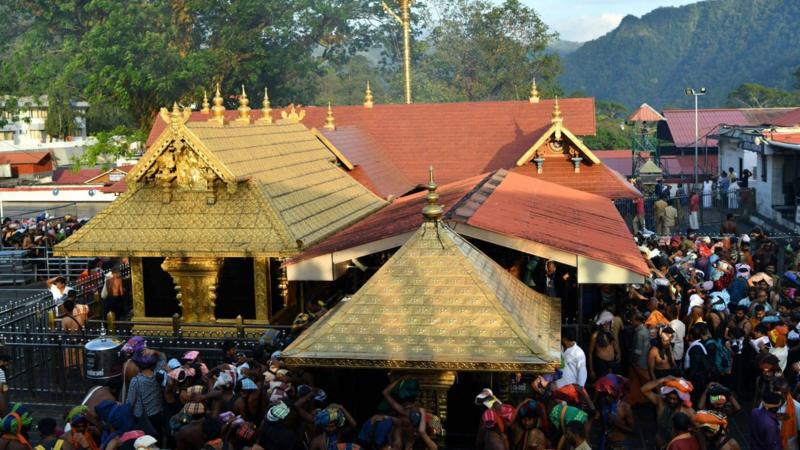
India's Supreme Court is reviewing petitions challenging a 2018 decision that allowed women of menstruating age to enter the Sabarimala temple in Kerala. The court's review will also look at similar cases from other religions about women's access to places of worship. The decision may impact broader religious freedoms and women's rights to enter temples, mosques, and other religious sites.
Key Facts
- India's Supreme Court is examining a 2018 ruling about women's entry into the Sabarimala temple.
- The review involves a nine-judge constitutional bench led by Chief Justice Surya Kant.
- The outcome could affect women's rights to access other religious sites, like Muslim mosques and Parsi temples.
- In 2018, the court ruled banning women was discriminatory and unconstitutional.
- Hindu practices often prohibit menstruating women from temple rituals, considering them unclean.
- The Sabarimala temple traditionally barred women aged 10 to 50 from entry.
- Protests followed the 2018 decision, with incidents of violence against women attempting to enter.
- The current bench, which includes judges from various backgrounds, aims to address these legal issues.