Summary
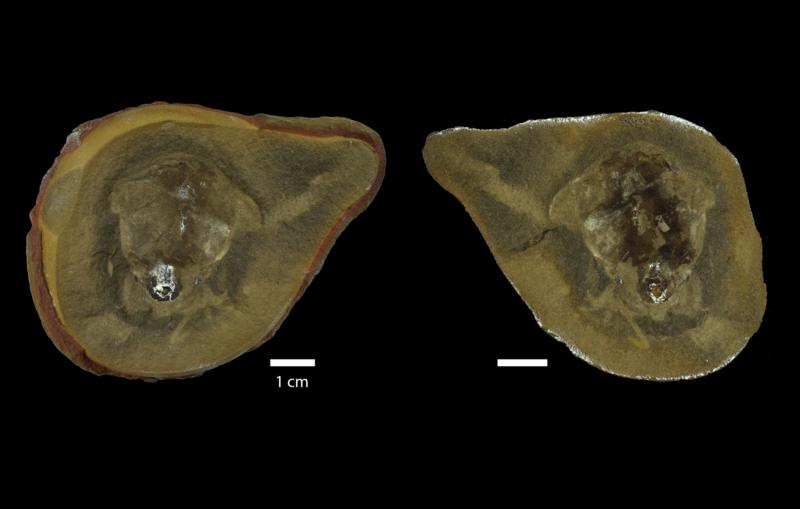
Researchers have used new technology to study a fossil that was once thought to be the world's oldest octopus. They discovered that the fossil is actually of an animal related to a modern Nautilus, not an octopus. This finding changes the understanding of when octopuses first appeared on Earth.
Key Facts
- The fossil is about 300 million years old.
- New technology showed teeth inside the fossil, proving it's not an octopus.
- The fossil was actually a relative of the modern Nautilus.
- The fossil was originally identified as an octopus 25 years ago.
- The study used synchrotron imaging, which uses very bright light beams, to scan the fossil.
- The fossil, known as Pohlsepia mazonensis, was found in Mazon Creek, Illinois, US.
- Previously, it was thought that octopuses appeared much earlier than they actually did.
- The split between octopuses and their relatives likely happened during the Mesozoic era.