Summary
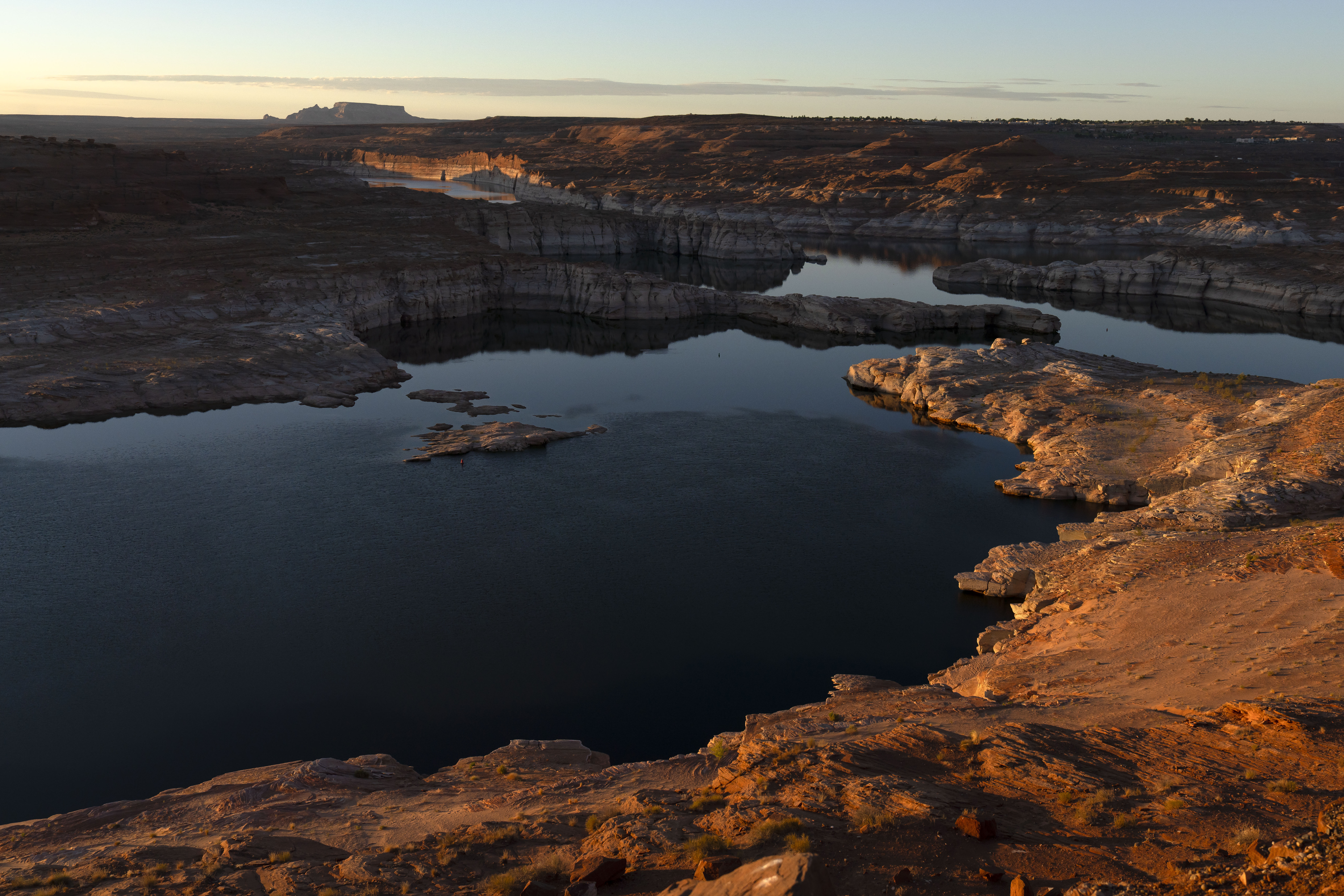
Lake Powell, located on the border of Utah and Arizona, might reach or drop below its record-low water levels from 2002 due to lower-than-expected water inflows. This change is because of an unusually warm and dry March that sped up snowmelt, impacting the water supplies for many people and farms in the western United States.
Key Facts
- Lake Powell is the second-largest man-made lake in North America.
- March's warm and dry weather lowered projected inflows to 1.4 million acre-feet, which is 22% of the normal amount.
- This forecast raises the chance to 30% that Lake Powell's water inflows could match or be lower than the record from 2002.
- The Colorado River system supports the water supply for about 40 million people and 5 million acres of farmland.
- States depending on this water system, like California and Arizona, have not finalized water management agreements.
- Lake Powell's water level affects the Glen Canyon Dam’s power generation, which serves several states.
- The Bureau of Reclamation is monitoring these water conditions to manage future operations of the river system effectively.