Summary
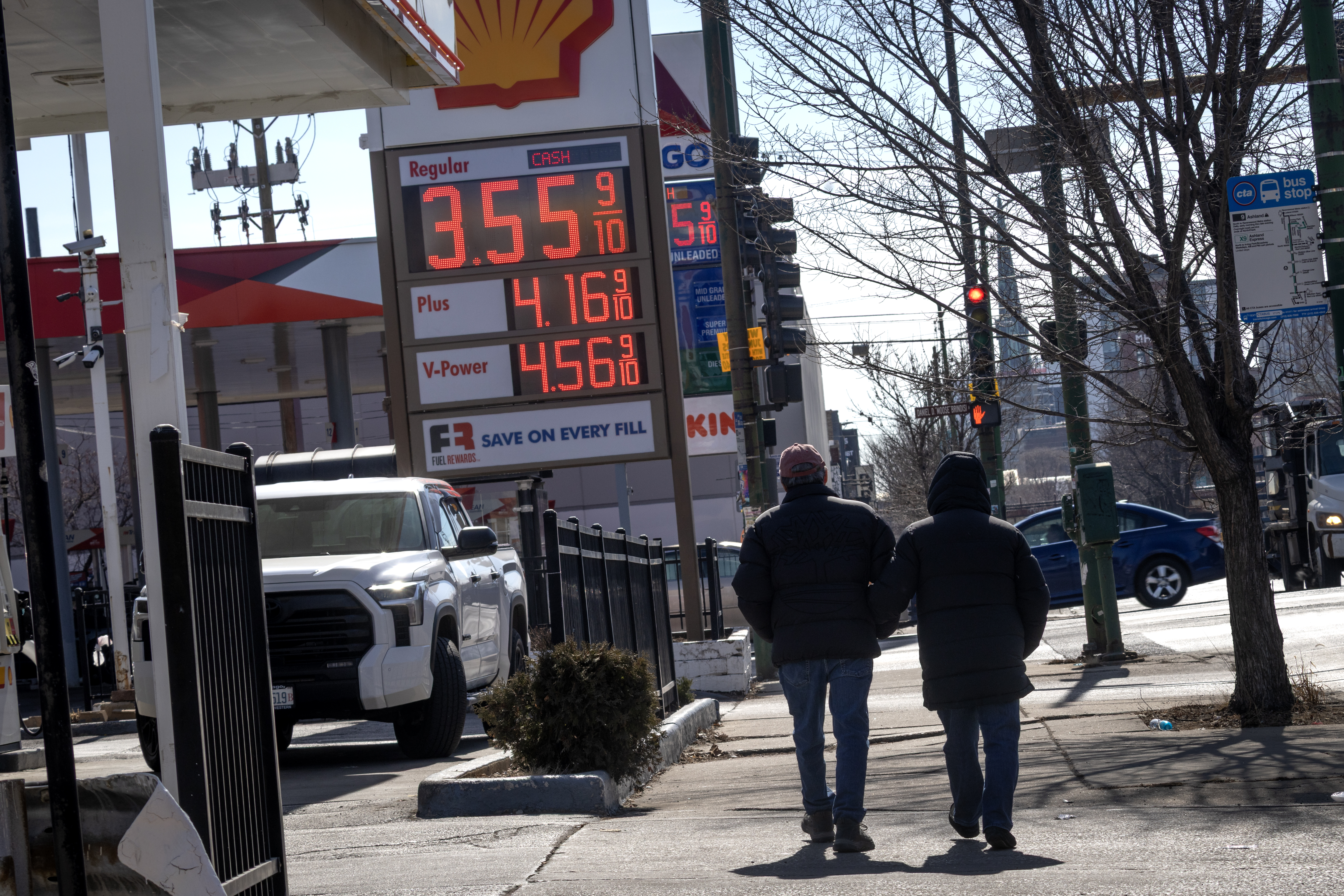
Gas prices in the United States increased by 21% in March, marking the largest monthly rise since 1967. This surge is linked to tensions in the Middle East affecting oil supply routes and has become a significant issue for President Trump's administration. The U.S. and Iran have agreed to a temporary ceasefire, but the strategic Strait of Hormuz remains a point of concern for oil passage.
Key Facts
- Gas prices in the U.S. rose 21% in March, the biggest monthly increase since 1967.
- The global oil supply faced pressure due to conflict in Iran, especially affecting prices.
- The Strait of Hormuz, a key oil passage, faced disruptions, impacting global oil transit.
- Inflation in the U.S. increased to 3.3% in March, from 2.4% in February.
- President Trump’s administration is addressing gas price volatility as a political challenge.
- Nationwide, gas prices averaged $4.153 on a recent Friday, with California experiencing the highest prices at $5.916.
- The U.S. and Iran have agreed to a temporary ceasefire, though tensions remain.
- Roughly 20% of the world's oil passes through the Strait of Hormuz, affecting global energy prices.