Summary
Energy bills are expected to rise due to increased network costs related to upgrading and expanding the UK's power grid. These costs are separate from the effects of the conflict in Iran, which is also contributing to global energy price instability. The debate in the UK revolves around whether to focus on fossil fuels or shift towards renewable energy to address the energy cost issue.
Key Facts
- Energy bills in the UK are set to increase, partly due to the costs of updating the national electricity grid.
- Network costs are expected to add about £135 to annual bills by 2030.
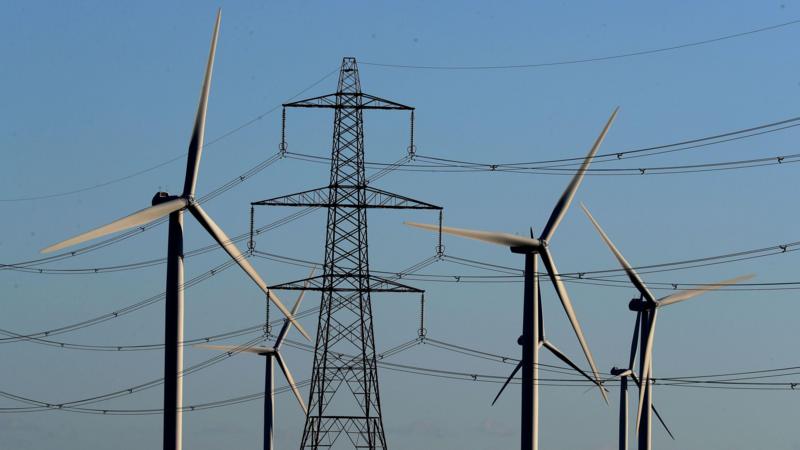
- Britain's renewable energy use, like wind and solar, requires significant grid upgrades costing around £70 billion over the next five years.
- Last year, Ofgem, the UK energy regulator, estimated that grid investments would add about £30 to the average consumer bill by 2031.
- Ben James, an energy analyst, forecasts a rise in average annual electricity bills to £1,045 by 2030 due to these network costs.
- Both increased usage of renewable energy and historical underinvestment in the grid are contributing to higher network costs.
- Different UK parties have varying approaches to tackling rising energy costs, with some advocating for more fossil fuel use and others pushing for renewable energy.
- The current conflict in Iran is also causing global energy price fluctuations, adding to the uncertainty.