Summary
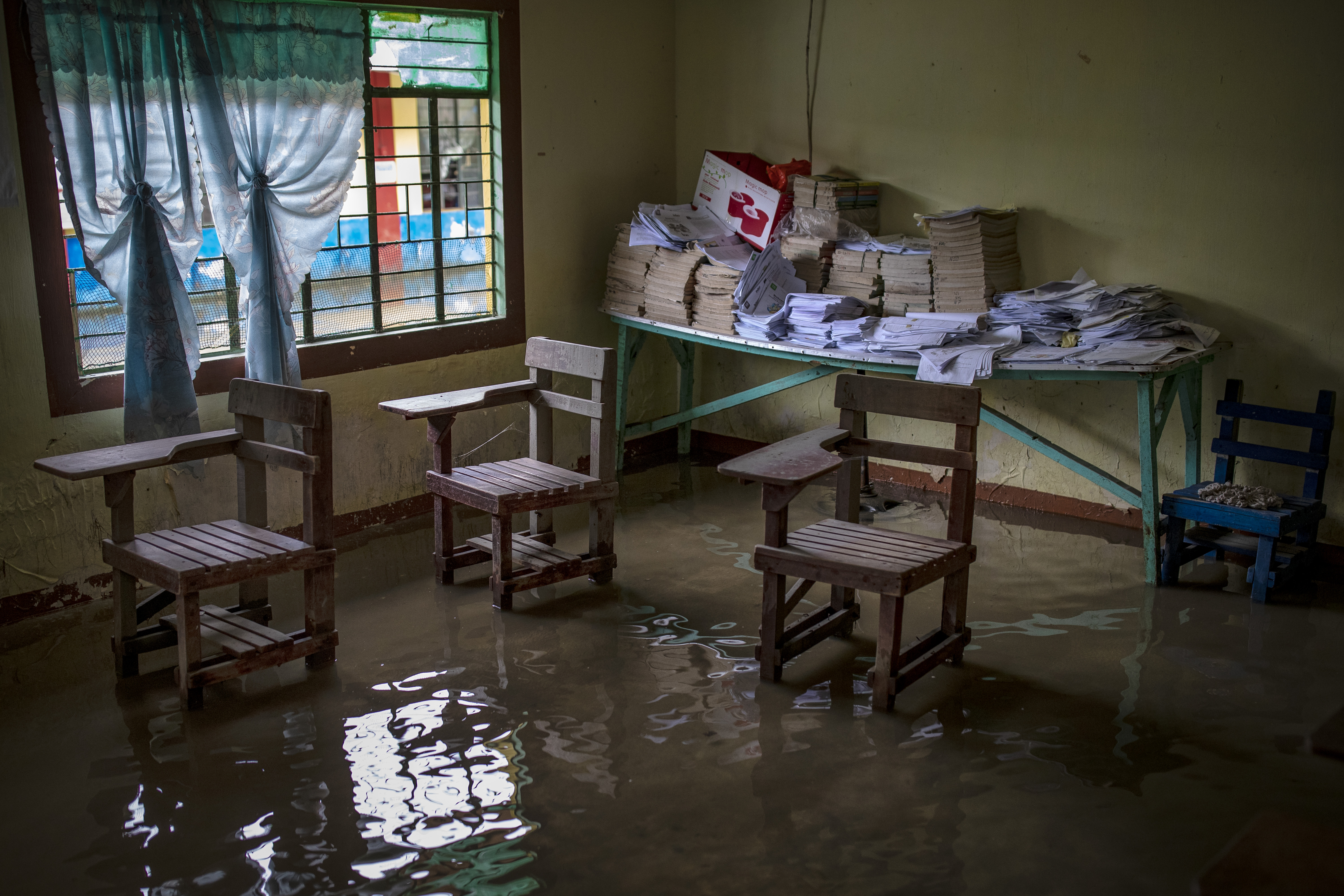
The article discusses the impact of crises on education and the broader consequences for society. It highlights that interruptions in schooling can lead to long-term social and economic instability. The article argues that education should be treated as crucial infrastructure, especially during conflicts and climate disruptions.
Key Facts
- UNESCO reports that 250 million children are not attending school worldwide.
- In 2024, UNICEF estimated that climate hazards disrupted schooling for at least 242 million students in 85 countries.
- Between 2020 and 2023, there were over 11,000 attacks on schools, students, and education staff.
- Interruptions in education can lead families to make decisions such as sending children to work or withdrawing girls from school.
- Education disruptions can evolve into a workforce crisis, social cohesion crisis, and ultimately, an instability crisis.
- Effective education systems in crisis environments include community-based models and accelerated learning.
- Protecting schools as civilian infrastructure can improve community resilience and aid faster recovery after crises.