Summary
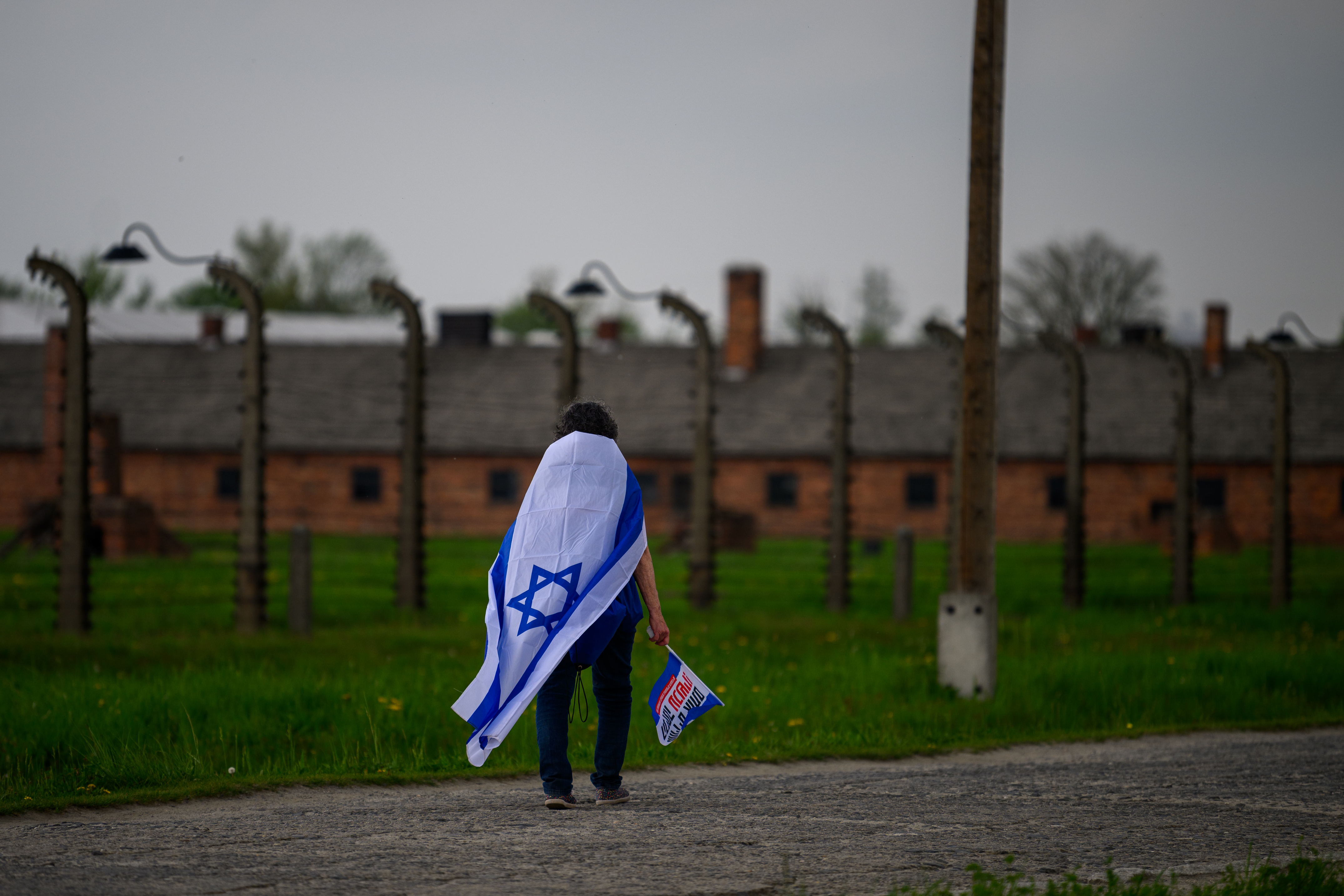
Yom Hashoah, a day for remembering the Holocaust, will be observed in Israel on April 13, 2026. The article discusses how antisemitism and the portrayal of Israel have been influenced by past geopolitical factors, particularly during the Cold War, which linger into the present through media and academic narratives. The Cold War-era views and propaganda about Israel still impact perceptions today.
Key Facts
- Yom Hashoah is Israel's Holocaust Remembrance Day, observed on April 13, 2026.
- The Cold War affected how countries treated Israel, with increased international condemnation.
- In the 1970s, new nations altered the UN's stance, often viewing Israel as a colonial power.
- By 1970, the UN had grown to include many countries from Africa, Asia, and the Middle East.
- The Soviet Union led campaigns to discredit Israel, linking it with racism and colonialism.
- UN Resolution 3379 in 1975 labeled Zionism as racism but was repealed in 1991.
- Present-day antisemitism is partly rooted in Cold War-era narratives and is spread by social media.
- Soviet propaganda still influences views on Israel, affecting international perspectives.