Summary
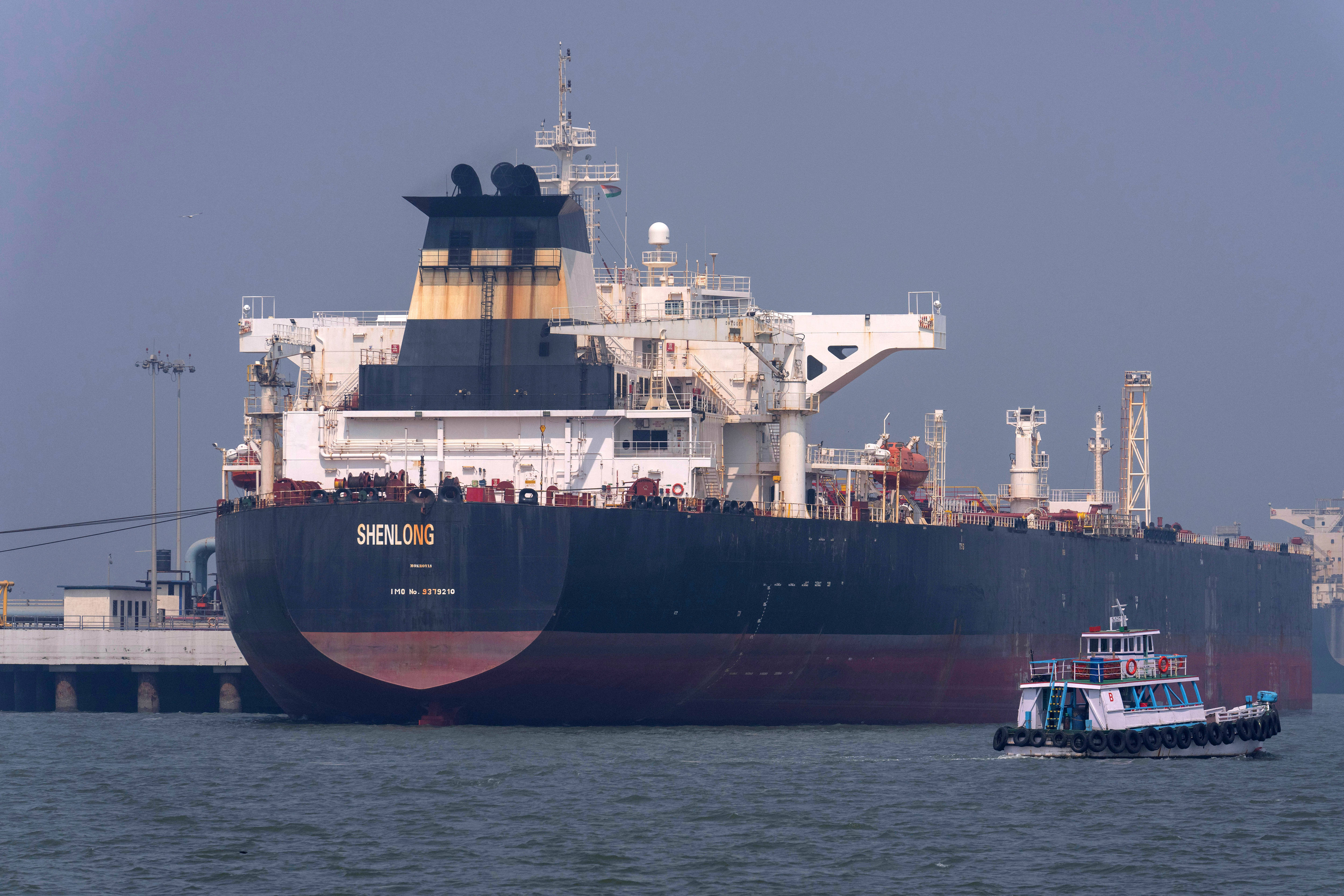
Two Chinese state-owned oil tankers have passed through the Strait of Hormuz for the first time since it was largely closed due to a conflict involving the U.S. and Israel against Iran. The tankers moved under a new system set by Iran which allows vetted commercial ships to pass through. President Trump threatened a naval blockade that could further impact trade routes, including oil exports vital to Iran.
Key Facts
- The Strait of Hormuz is a key route where a large portion of the world's oil trade passes.
- The passage by Chinese ships marks the first since disruptions caused by U.S.-Israeli military actions against Iran.
- Iran implemented a screening system for ships wanting to pass, described as a "tollbooth" arrangement.
- The two Chinese vessels involved are large crude carriers owned by a major Chinese state-owned company.
- President Trump announced a possible naval blockade to stop trade with Iran, including oil exports.
- China's economy is at risk from prolonged disruptions, as it relies heavily on oil passing through the Strait.
- Diplomatic efforts involving China and Pakistan have not yet resolved the conflict.
- Talks between the U.S. and Iran have not produced a significant solution to the current situation.