Summary
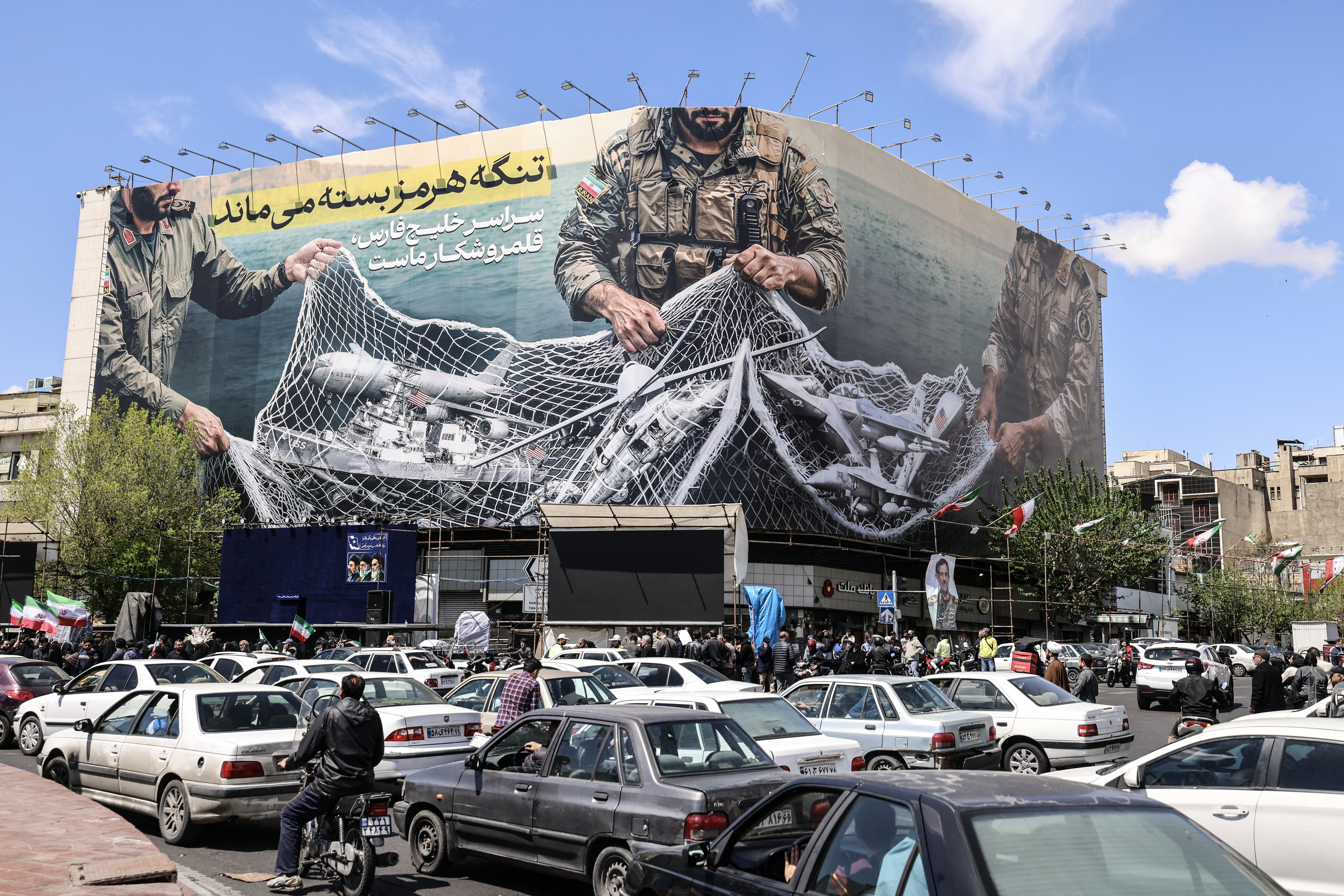
President Donald Trump has ordered a U.S. Navy blockade on Iran following unsuccessful peace talks. Despite being considered militarily weakened, Iran still possesses significant capabilities, such as fast-attack boats and coastal missiles, which could challenge U.S. forces near the Strait of Hormuz. Ongoing tensions highlight the strategic risks of a naval confrontation in this vital shipping area.
Key Facts
- President Trump initiated a U.S. Navy blockade on Iran after peace talks failed.
- Iran's military, though described as "defeated," still poses threats with missile and drone strikes.
- Iran controls strategic military assets like fast-attack boats and coastal missile systems.
- The Strait of Hormuz is a critical pathway for global energy trade.
- The U.S. aims to prevent ships from accessing Iranian ports, which could impact global shipping routes.
- Iran maintains capabilities such as drones and missile systems that could target U.S. naval and allied facilities.
- A ceasefire had briefly paused hostilities, but talks did not reach a deal.
- There were reports of U.S. ships avoiding conflict after Iranian forces reportedly locked on with missiles.