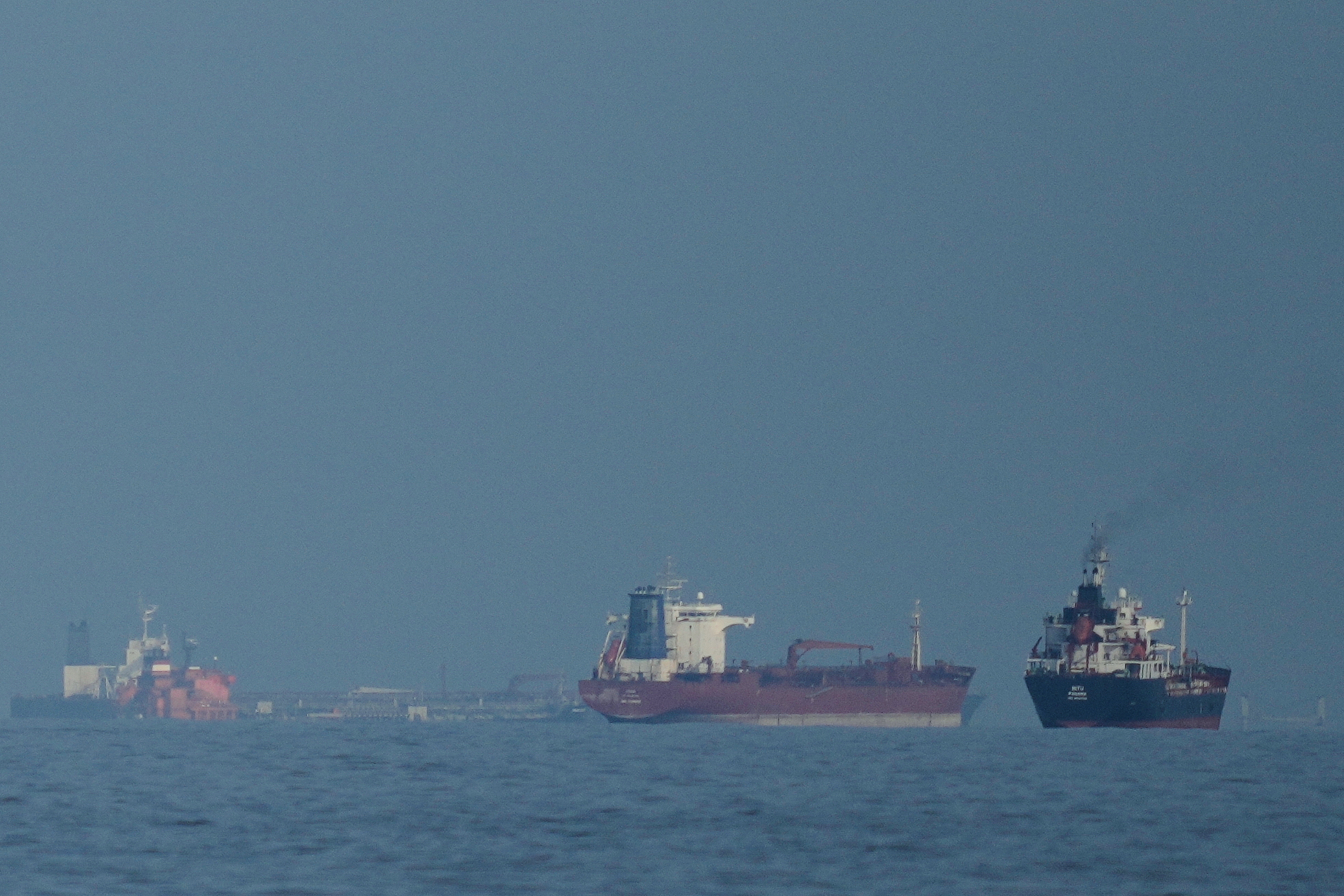
How a US Blockade Near the Strait Could Work
Summary
The United States, under President Donald Trump, began a blockade of Iranian ports to pressure Iran regarding the Strait of Hormuz, a crucial route for global oil trade. This action raises questions about international law, demands significant U.S. Navy resources, and may disrupt the supply of oil and other goods.Key Facts
- President Donald Trump announced a blockade of Iranian ports starting Monday.
- The blockade aims to influence Iran to reopen the Strait of Hormuz, a vital waterway for nearly 20% of the world's traded oil.
- Iran had previously restricted tanker traffic through the Strait, allowing only some ships and charging fees.
- Enforcing the blockade requires many U.S. Navy ships and clear legal guidelines; currently, about 16 U.S. warships are in the Middle East, but none reported directly in the Persian Gulf.
- The U.S. has issued a notice restricting access to Iranian ports, but full enforcement plans are still in development.
- International law requires blockades to allow humanitarian aid and to be applied impartially.
- The high volume of shipping traffic through the Strait of Hormuz makes the blockade difficult to enforce.
- Most merchant ships are expected to comply with the blockade due to the risk posed by U.S. warships.
Read the Full Article
This is a fact-based summary from The Actual News. Click below to read the complete story directly from the original source.
