Summary
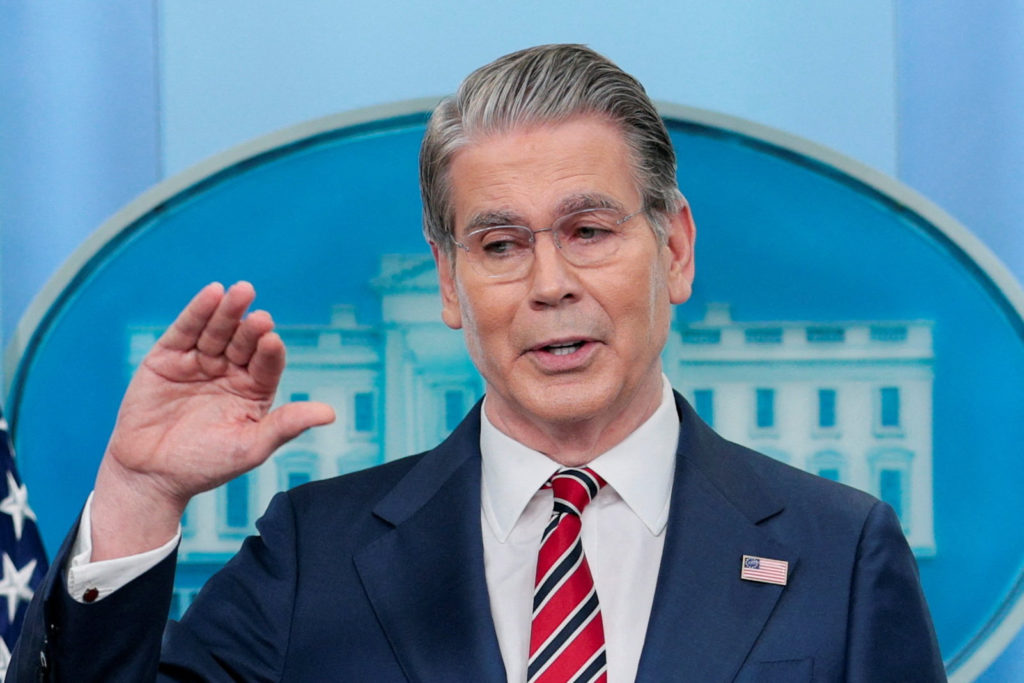
The Trump administration plans to focus more on economic measures to pressure Iran after the ceasefire in their conflict ends next week. Treasury Secretary Scott Bessent said the U.S. will increase sanctions on countries and companies that do business with Iran, aiming to hit Iran financially as hard as a bombing campaign would.
Key Facts
- The current ceasefire between the U.S. and Iran expires next week without a deal to extend it.
- The Trump administration will shift from military action to economic sanctions to pressure Iran.
- Treasury Secretary Scott Bessent described the planned sanctions as the "financial equivalent" of bombing Iran.
- Secondary sanctions will target countries like the UAE, China, Hong Kong, and Oman for doing business with Iran.
- The U.S. warned Chinese banks about handling Iranian money ahead of President Trump’s visit to China.
- Iran’s Gulf neighbors may freeze Iranian funds in their banks due to Iran’s aggressive actions in the war.
- Some experts warn new sanctions might cause diplomatic problems and reduce support against Iran.
- While sanctions increase, some U.S. lawmakers note that Iran’s economy has also benefited from higher oil prices after the conflict started.