Summary
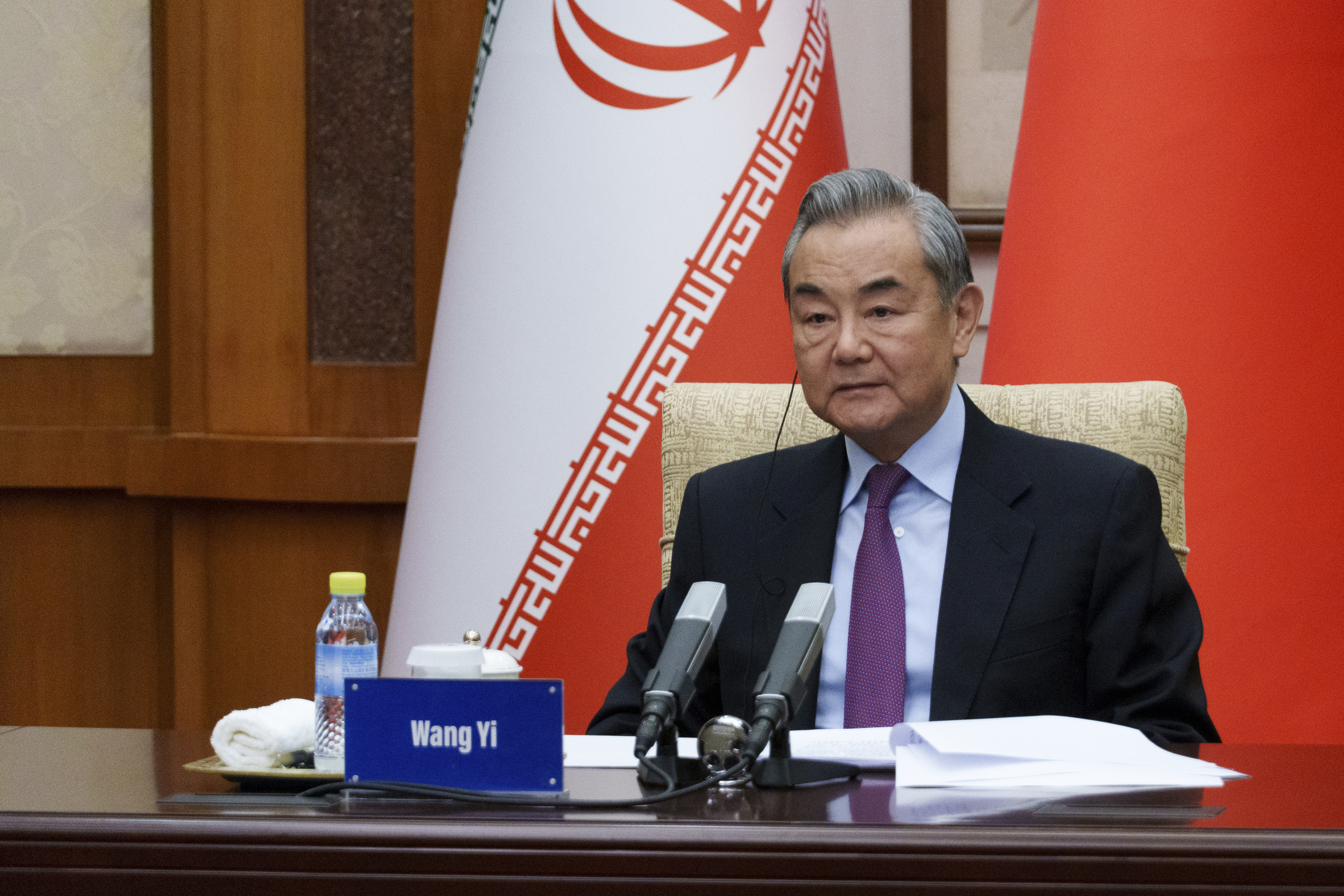
China's top diplomat urged Iran to reopen the Strait of Hormuz, a crucial route for global oil and gas, amid ongoing conflict in the region. The U.S. has imposed a naval blockade to stop ships from leaving Iranian ports, increasing tensions and disrupting oil shipments.
Key Facts
- The Strait of Hormuz carries about 25% of the world’s crude oil and 20% of liquefied natural gas.
- Since February 28, U.S. and Israeli strikes on Iran and Iran’s retaliatory attacks have stranded hundreds of ships nearby and pushed up oil prices.
- An April 8 ceasefire planned shipping to resume under Iranian control, but U.S.-Iran talks stalled, and the U.S. imposed a blockade on Iranian ports starting Monday.
- Iran and Chinese diplomats spoke by phone to discuss ongoing negotiations and efforts to reduce tensions.
- China supports Iran’s sovereignty and calls for both peace and free navigation through the strait.
- President Donald Trump posted on social media that he is reopening the strait and that China agreed to stop weapons shipments to Iran.
- China and Russia blocked a U.N. Security Council draft to send forces ensuring safe navigation of the strait.
- The conflict has global economic impacts, especially on poorer countries, and is raising costs in key industries worldwide.