Summary
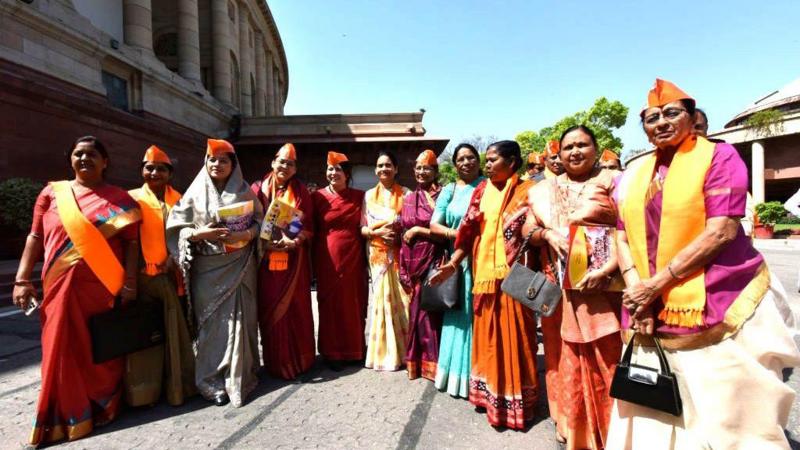
India is set to decide on a constitutional amendment that would reserve one-third of seats in parliament and state assemblies for women. This change is linked to a redrawing of electoral boundaries based on the 2011 census, a move that is causing controversy and opposition, especially from southern states worried about losing political influence.
Key Facts
- Women currently hold about 14% of seats in India’s 543-member lower house of parliament.
- The proposed bill would increase women’s representation to about one-third of seats.
- Implementing the women’s quota requires a two-thirds majority in parliament and a special three-day session.
- India already reserves 33% of seats for women in local village and city councils.
- The bill is connected to a plan to redraw parliamentary seats using population data from the 2011 census, possibly increasing total seats to around 850.
- Opposition parties criticize linking the women’s quota to the redrawing of constituencies, calling it a political move during an election season.
- The redrawing of seats has not happened since 1971 due to concerns about population growth differences among states.
- Southern states like Tamil Nadu, Kerala, Karnataka, Andhra Pradesh, and Telangana fear losing seats because they have lower population growth but higher economic development.