Summary
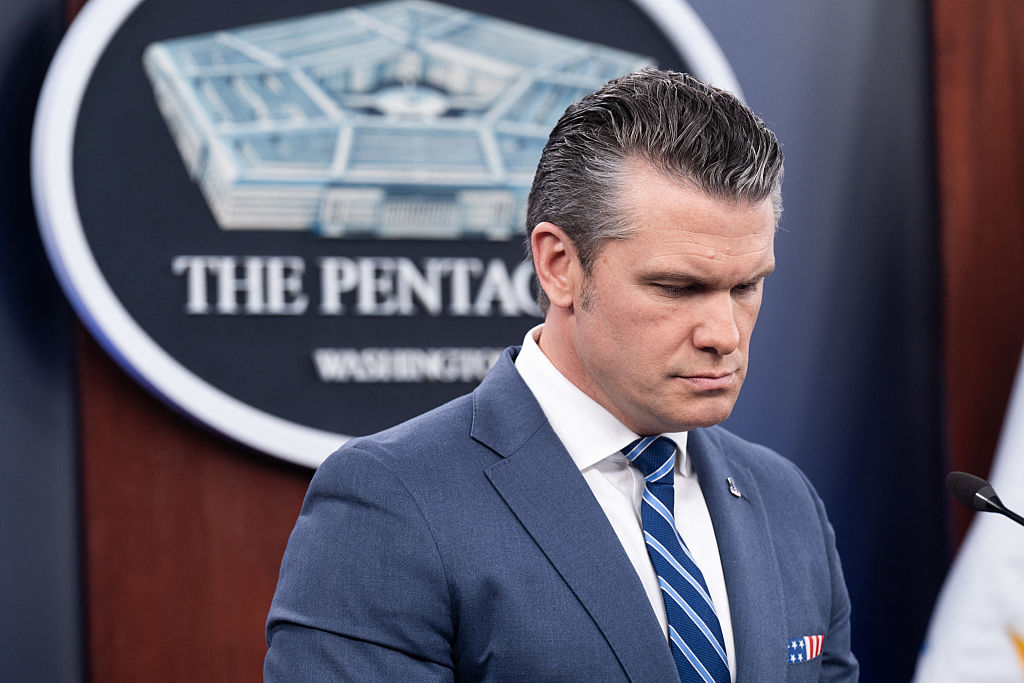
Defense Secretary Pete Hegseth warned Iran that the U.S. may strike its energy infrastructure if it does not agree to a peace deal before a temporary cease-fire ends. The U.S. is maintaining a naval blockade of Iranian ports and is prepared to intercept ships linked to Iran beyond the Middle East.
Key Facts
- Hegseth said Iran must decide carefully or face possible U.S. attacks on energy and power sites.
- The U.S. naval blockade of Iranian ports will continue until the U.S. decides otherwise.
- Targeting civilian infrastructure could be considered a war crime under international law.
- U.S. forces in the Pacific might help stop ships supplying Iran, extending the blockade beyond the Persian Gulf.
- Iran threatened to stop all trade in large nearby sea areas in response to the blockade.
- Iran’s military can still use mines and fast boats in the Strait of Hormuz; its allies have attacked ships in the Red Sea before.
- Experts say the blockade might hurt Iran’s economy but may not force big changes or reduce global energy problems.
- Pakistan is expected to host a second round of U.S.-Iran peace talks, but no date is set.