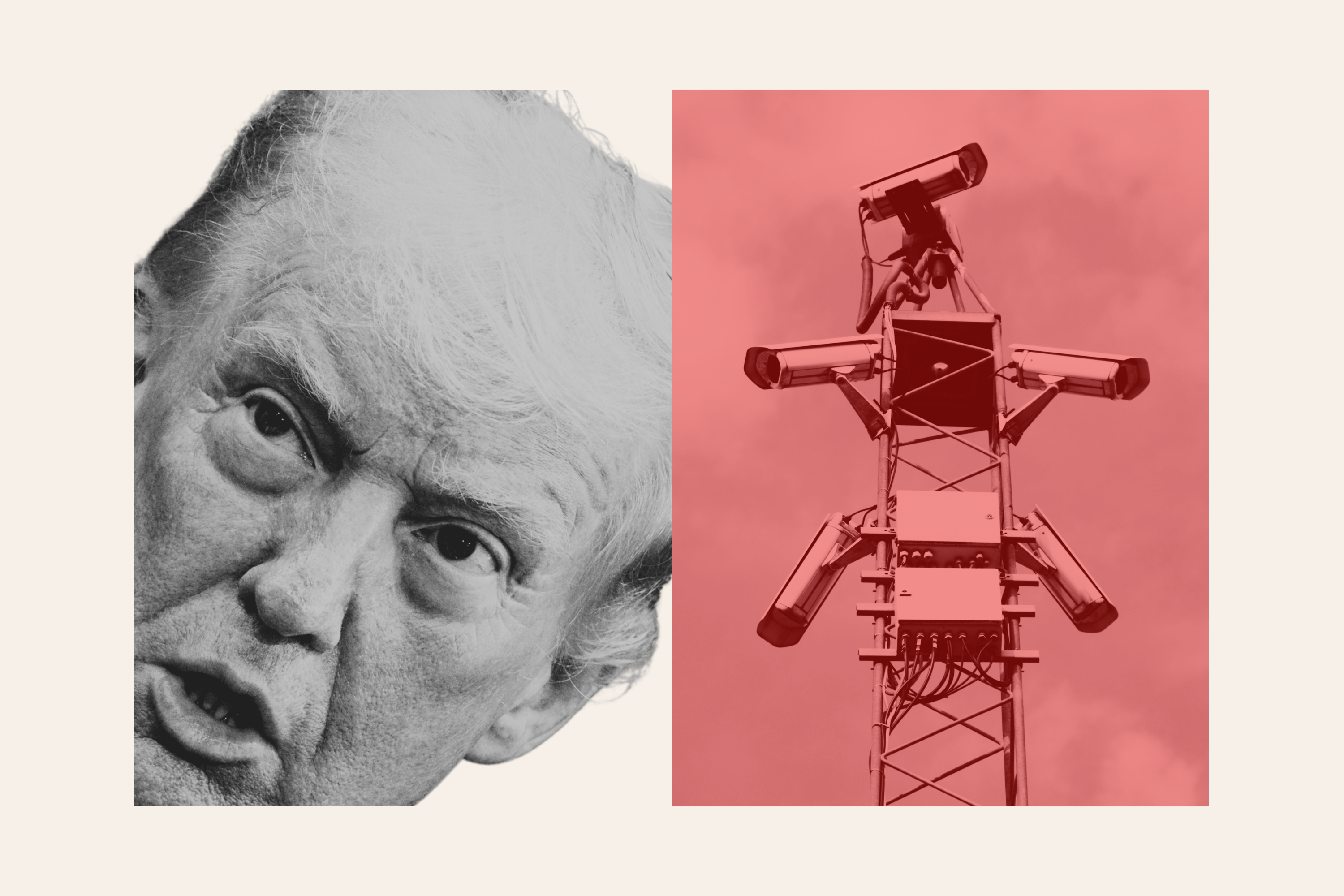
Why the FISA Fight Never Ends—and What Congress Can’t Fix
Summary
Congress is once again working to renew Section 702 of the Foreign Intelligence Surveillance Act (FISA), which lets U.S. intelligence agencies collect information from non-Americans abroad to protect national security. Despite repeated renewals and reforms, debates continue about privacy and government surveillance, and the issue remains politically divisive and unsettled.Key Facts
- Section 702 of FISA allows U.S. intelligence to collect communications of non-Americans outside the U.S.
- This law has been renewed multiple times since 2008, often at the last minute.
- Lawmakers say not renewing it could hurt national security and intelligence work.
- Civil rights advocates want stronger privacy protections and limits on government surveillance.
- President Donald Trump has called Section 702 both a violation and important for national security.
- Oversight includes a special court, internal checks, inspectors general, and reports to Congress.
- Reforms have tightened FBI rules, but critics want warrants for some searches and clearer limits.
- Each change adds complexity, making the system harder to understand and trust.
Read the Full Article
This is a fact-based summary from The Actual News. Click below to read the complete story directly from the original source.