Summary
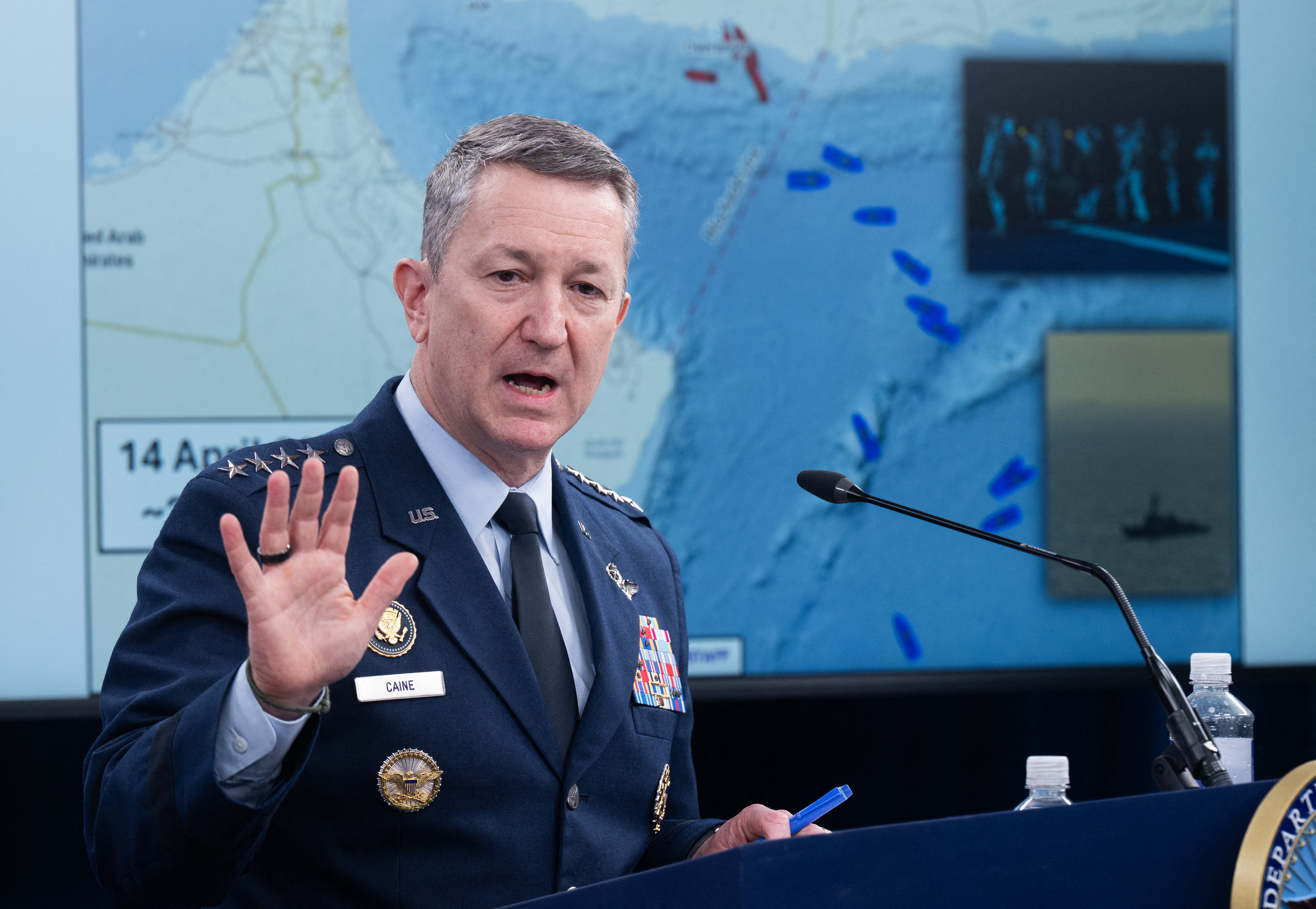
U.S. military officials explained how American forces enforce a naval blockade of Iranian ports by warning ships to turn around or face being boarded and seized. This blockade affects global oil and gas shipments through the Strait of Hormuz and has disrupted shipping in the region.
Key Facts
- U.S. warships are actively enforcing a naval blockade targeting Iranian ports.
- Ships approaching these ports receive radio warnings telling them to turn around or face boarding and seizure.
- Since the blockade began, 13 vessels have been warned and chose to reverse course.
- The Strait of Hormuz is crucial, carrying about 20% of the world’s oil and liquefied natural gas.
- The blockade is focused on traffic related to Iranian ports, not closing the entire Strait of Hormuz.
- Many ships and crews remain stranded in the Persian Gulf because of the conflict.
- Iran might allow safe passage for ships on the Omani side of the strait if a diplomatic deal with the U.S. is reached.
- It is unclear if underwater mines or ships connected to Israel would be allowed safe passage under any agreement.