Summary
The U.S. law known as Section 702 of the Foreign Intelligence Surveillance Act (FISA), which allows warrantless surveillance of foreign nationals and sometimes collects Americans' communications, is set to expire soon. There is strong disagreement in Congress and within the Republican Party about whether to renew the law as is or add reforms, with President Donald Trump supporting a clean extension.
Key Facts
- Section 702 allows intelligence agencies to collect emails and texts of foreigners abroad without a warrant; Americans’ communications with those targets can also be collected.
- The law is scheduled to expire on April 20, 2024, unless Congress acts to renew it.
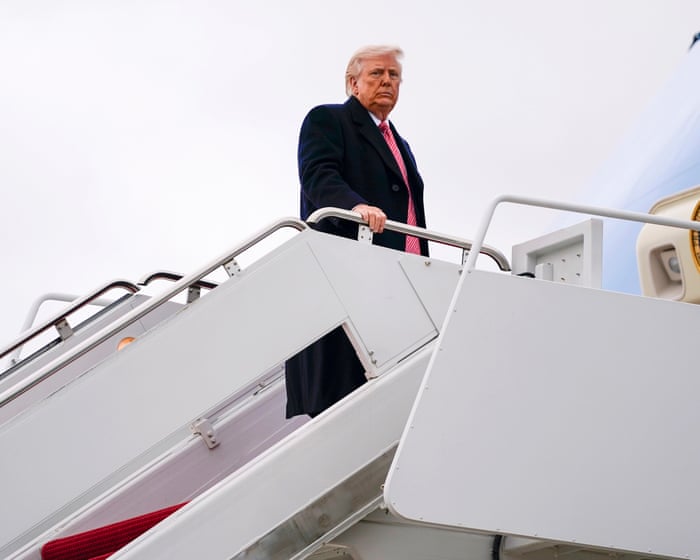
- President Trump supports extending Section 702 without changes, calling it important for national security and military efforts.
- Some Republicans, along with progressive Democrats, want reforms to add warrant requirements for U.S. citizens caught up in surveillance.
- The House GOP delayed a vote on renewing Section 702 due to disagreements within the party.
- Courts have renewed approval for the program yearly, allowing surveillance to continue even without new congressional authorization.
- In 2024, Congress passed a related reform law (RISAA) with limits and audits for U.S. citizen surveillance but did not require warrants.
- The debate involves a split between privacy advocates and security supporters over balancing safety and civil liberties.