Summary
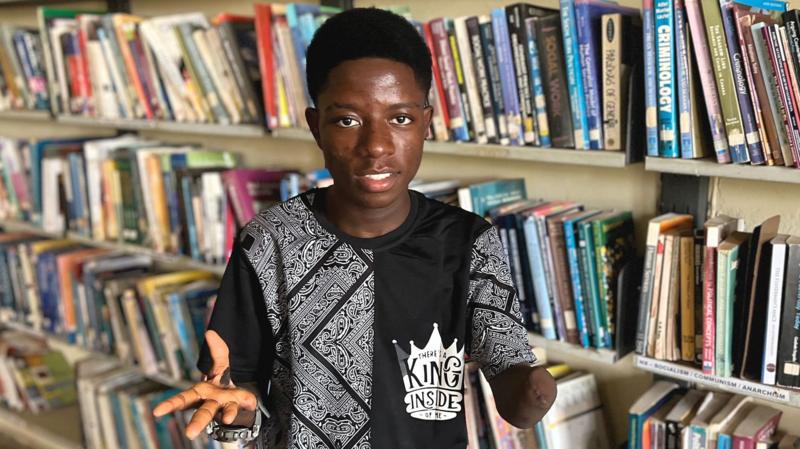
Ovey Friday, a young Nigerian man, was tortured and lost his hand after being accused of witchcraft at age 13. Despite his disability, he fought to continue his education but faced challenges with biometric identification needed for university exams, which were eventually overcome with support from guardians and rights activists.
Key Facts
- At 13, Ovey Friday was accused of witchcraft and tortured in Nasarawa state, Nigeria.
- His left hand was amputated, and fingers on his right hand were scarred or amputated due to the torture.
- He nearly lost his chance to take Nigeria’s university entrance exam because fingerprint scanners could not recognize his damaged prints.
- Disability rights campaigners helped officials accept his toe print instead of a fingerprint for identification.
- Ovey is now studying English and literary studies at a university in Nasarawa, the first in his family to attend university.
- Scarlett Eduoku, a radio presenter, faces similar problems because of a missing eye preventing facial recognition technology from working properly.
- About 15% of Nigerians, over 35 million people, live with some form of disability.
- Nigeria passed a law in 2019 to protect disabled people's rights and improve access to services, but progress is slow.