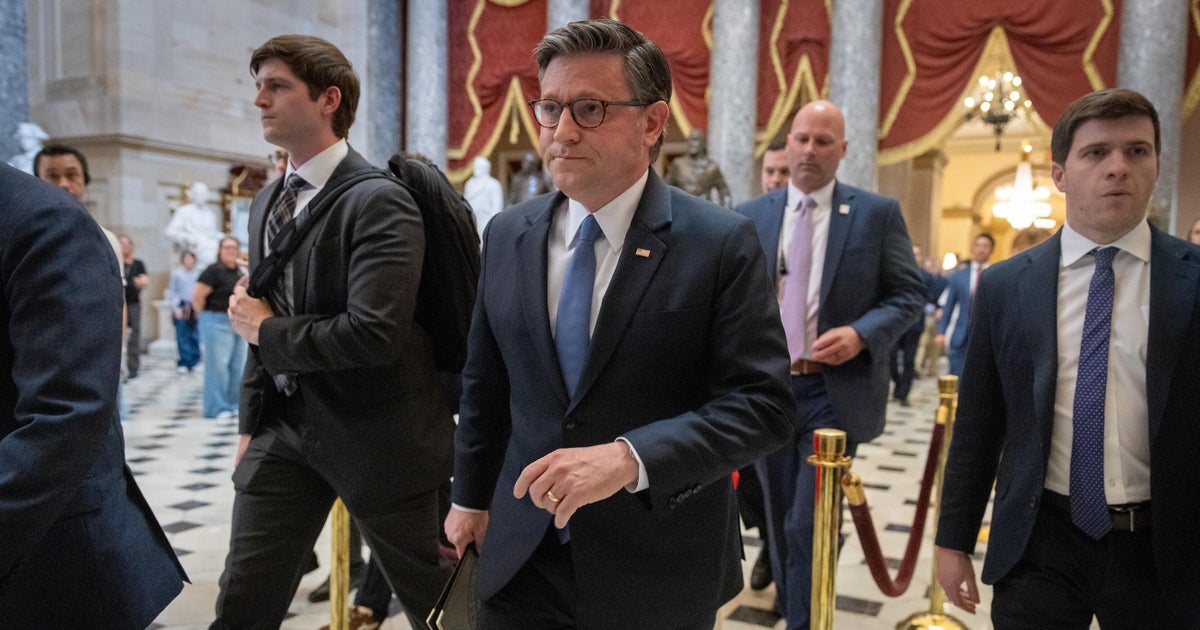
Controversial surveillance program extended by House but only until April 30
Summary
The U.S. House of Representatives approved a short-term extension of a surveillance program until April 30 after disagreements among Republicans prevented a longer renewal. The program, part of the Foreign Intelligence Surveillance Act (FISA), allows U.S. intelligence agencies to collect certain overseas communications, which sometimes include American citizens' interactions without a warrant.Key Facts
- The House approved only a short extension of the surveillance program until April 30, rather than a longer renewal.
- President Trump wanted an 18-month clean renewal, but some Republicans opposed this.
- The surveillance program is based on Section 702 of the Foreign Intelligence Surveillance Act (FISA).
- The program lets agencies like the CIA and FBI collect overseas communications without a warrant, which can include communications of Americans who interact with foreigners.
- Supporters say the program helps stop terrorism, cyber attacks, and spying by foreign countries.
- Critics worry it may violate Americans’ privacy rights and constitutional protections.
- The disagreement caused a late-night vote and a split among House Republicans.
- House Speaker Mike Johnson and other leaders tried to balance national security needs and civil liberties concerns.
Read the Full Article
This is a fact-based summary from The Actual News. Click below to read the complete story directly from the original source.
