What people in power think the impact of the Iran war will be
Summary
World leaders and financial experts met in Washington D.C. to discuss the economic effects of the conflict involving Iran. Many worry about rising energy and food costs caused by disruptions in oil supply through the Strait of Hormuz, especially for poorer countries. The U.S. government expressed confidence that the economy will recover quickly and sees long-term benefits from the situation.Key Facts
- The Strait of Hormuz, a key oil route near Iran, is central to the current crisis.
- The IMF and World Bank held meetings in Washington D.C. to address global economic concerns.
- Many G7 finance ministers and bankers are unhappy about the global costs caused by the U.S. decision to engage in war.
- Asian financiers showed concern about possible energy shortages.
- The World Bank prepared $100 billion to help poorer countries facing higher energy and food prices.
- Oil production stoppages in Iraq and supply chain issues in countries like Bangladesh and Pacific Islands are causing problems.
- Higher prices for fertilizer could affect global food supplies starting in June or July.
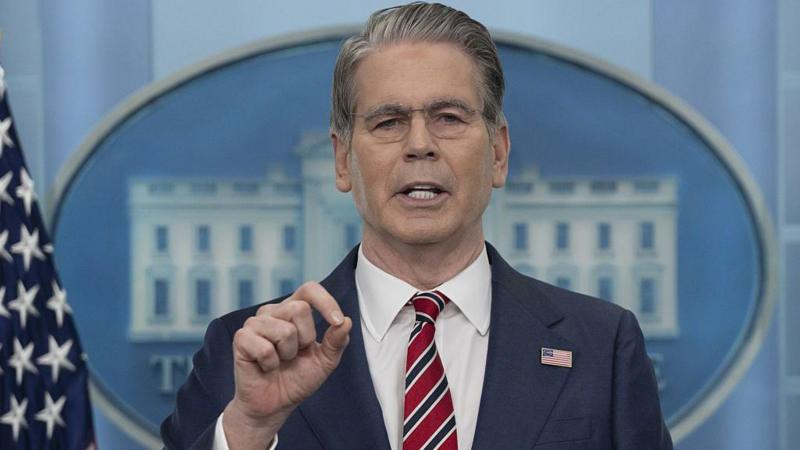
- The U.S. Treasury Secretary said the economy would recover fast and views the conflict as worth the short-term difficulties.
Read the Full Article
This is a fact-based summary from The Actual News. Click below to read the complete story directly from the original source.
