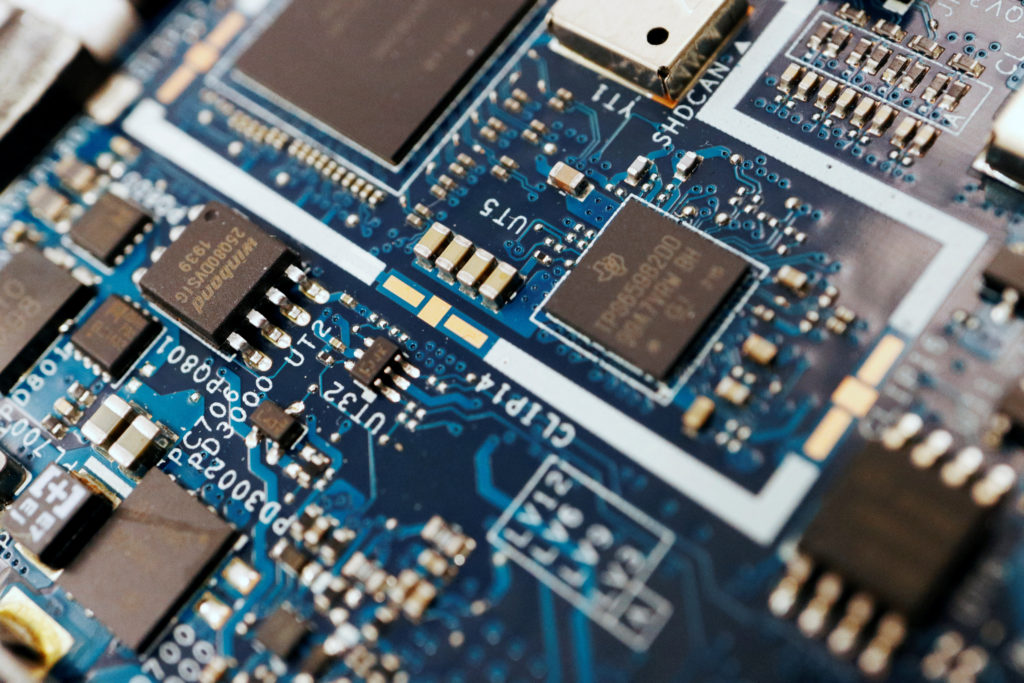
Trump’s planned 100% tariff on computer chips sparks confusion
Summary
President Trump plans to impose a 100% tariff on computer chips not made in the U.S., causing uncertainty among businesses. This decision may increase costs for electronics and has led to concerns from both large and small chipmakers about their financial impact. There is also confusion about how these tariffs will apply to chips that are part of assembled products.Key Facts
- Trump plans a 100% tariff on non-U.S.-made computer chips.
- Businesses are unsure about the effect on electronics costs and availability.
- The U.S. imports many chips as parts of finished goods, complicating tariff calculations.
- Companies with plans to build in the U.S. may avoid these tariffs.
- Major chip producers like Intel and Nvidia could benefit if they produce domestically.
- Smaller chipmakers, especially in Europe and Asia, face uncertainty due to potential cost increases.
- Previous chip shortages have already increased the price of products like cars.
- It is unclear how these new tariffs align with existing international trade agreements.
Read the Full Article
This is a fact-based summary from The Actual News. Click below to read the complete story directly from the original source.