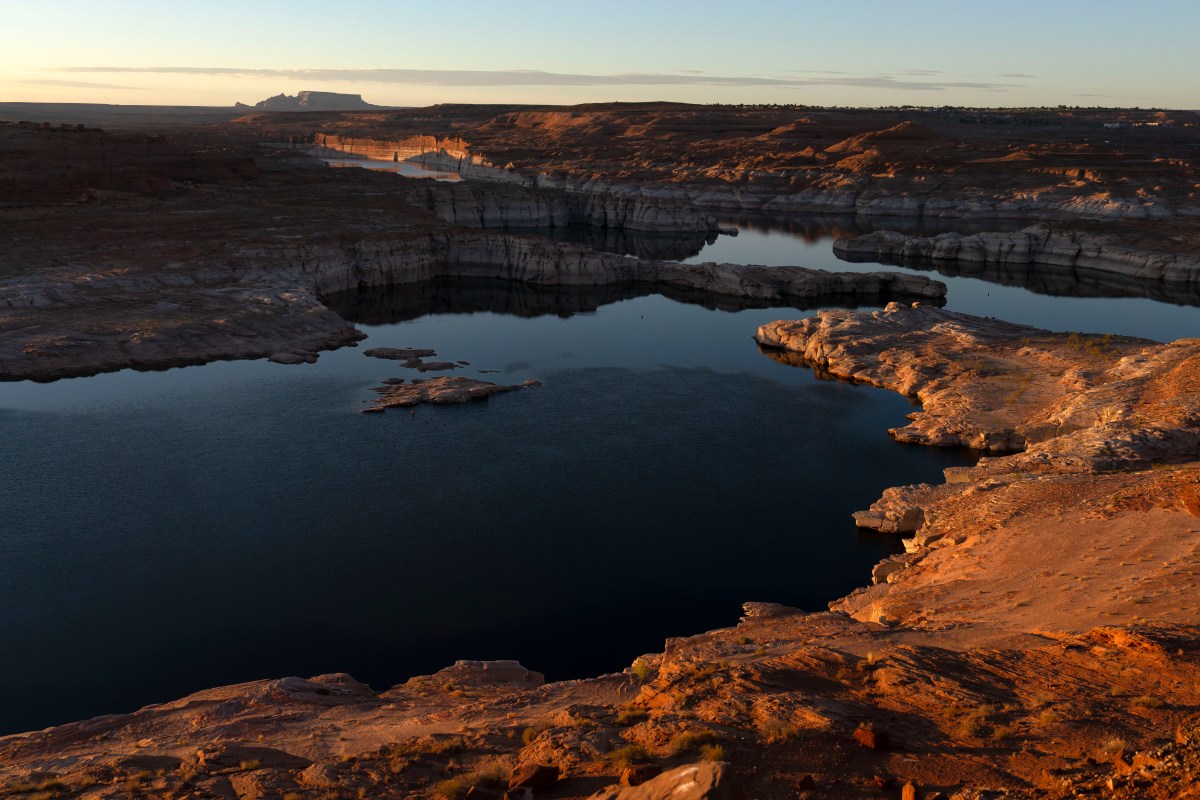
Lake Powell Water Level Crisis Sparks Emergency Response
Summary
Federal water managers have taken emergency steps to raise water levels in Lake Powell by moving water from the Flaming Gorge reservoir and reducing water releases to Lake Mead. This action is in response to record-low snowpack and severe drought affecting the Colorado River system, which threatens water supply and hydropower production for millions of people in the western U.S.Key Facts
- Lake Powell is near critically low water levels that could stop hydropower production at Glen Canyon Dam.
- The Colorado River system provides water to over 40 million people and irrigates more than 5 million acres of farmland.
- The U.S. Bureau of Reclamation (USBR) said storage in the river system is only about 36% of capacity due to drought and low snowpack.
- USBR will lower water releases from Glen Canyon Dam from 7.48 to 6 million acre-feet through September.
- Between 660,000 and 1 million acre-feet of water will be released from Flaming Gorge reservoir to support Lake Powell levels.
- Lake Powell could fall below the minimum power level of 3,490 feet by August without these actions.
- Reduced water releases to Lake Mead may cut Hoover Dam’s hydropower capacity by up to 40% as soon as this fall.
- The water shortage and management actions may reduce recreational activities like boating and fishing in the affected areas.
Read the Full Article
This is a fact-based summary from The Actual News. Click below to read the complete story directly from the original source.
