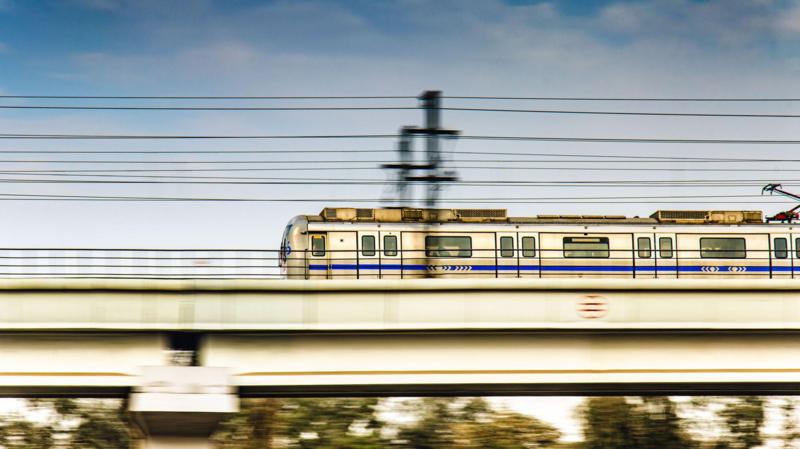
India has splurged billions on metro trains. But where are the commuters?
Summary
India has spent about $26 billion building metro train networks in nearly two dozen cities, greatly expanding its metro tracks over the past decade. However, many of these metro lines have far fewer passengers than expected, with ridership often only 20-50% (or less) of original forecasts.Key Facts
- India’s metro network grew from under 300 km in 2014 to over 1,000 km by 2025.
- Average daily metro riders increased from 3 million to more than 11 million in the last decade.
- Despite growth, most metro lines run far below projected passenger numbers—often just 25-35% or less.
- Some smaller cities like Kanpur see as little as 2% of predicted ridership; Chennai’s first phase had 37%.
- Delhi’s metro ridership is an exception but partly because it counts interchanges as separate trips.
- Experts say demand projections were often unrealistic or exaggerated to justify metro projects.
- Train frequency and coach numbers are often lower than planned, reducing service attractiveness.
- Higher fares, especially for lower-income workers, also discourage metro use in India.
Read the Full Article
This is a fact-based summary from The Actual News. Click below to read the complete story directly from the original source.
