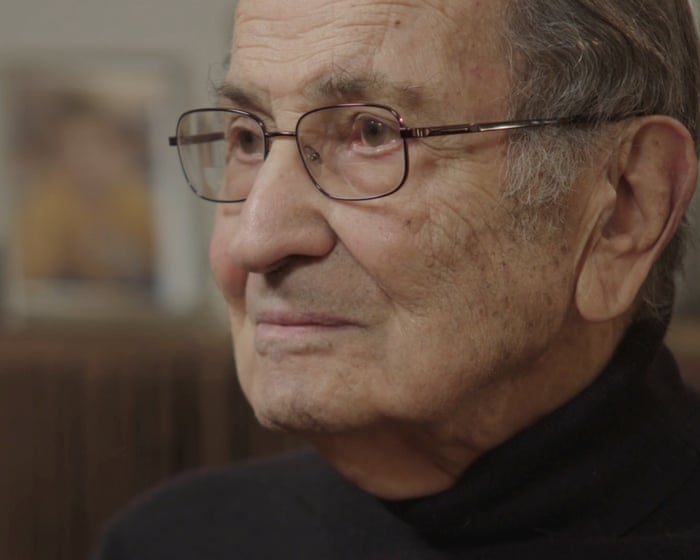
‘We wasted a lot of lives’: CIA spymaster’s caution over past Iran intervention resurfaces from beyond the grave
Summary
Peter Sichel was a CIA agent who helped lead early Cold War intelligence but later criticized U.S. interventions, especially the 1953 Iran coup. He believed removing Iran’s elected leader caused long-term problems, including the rise of Iran’s theocratic regime.Key Facts
- Peter Sichel was the CIA’s first station chief in Berlin and a refugee from Nazi Germany.
- He played a role in early Cold War intelligence and warned about Soviet activity.
- After his CIA career, Sichel became a successful wine merchant with the Blue Nun brand.
- Sichel criticized U.S. government actions that overthrew democratic leaders in countries like Iran in 1953.
- The 1953 coup in Iran removed Prime Minister Mohammad Mossadegh to protect British oil interests.
- Sichel said the coup strengthened the Shah’s rule, which led to the 1979 Iranian revolution and the rise of the Islamic theocracy.
- The CIA admitted in 2023 that the Iran intervention was “undemocratic.”
- Sichel believed the U.S. government often did not think through the long-term consequences of its foreign actions.
Read the Full Article
This is a fact-based summary from The Actual News. Click below to read the complete story directly from the original source.
