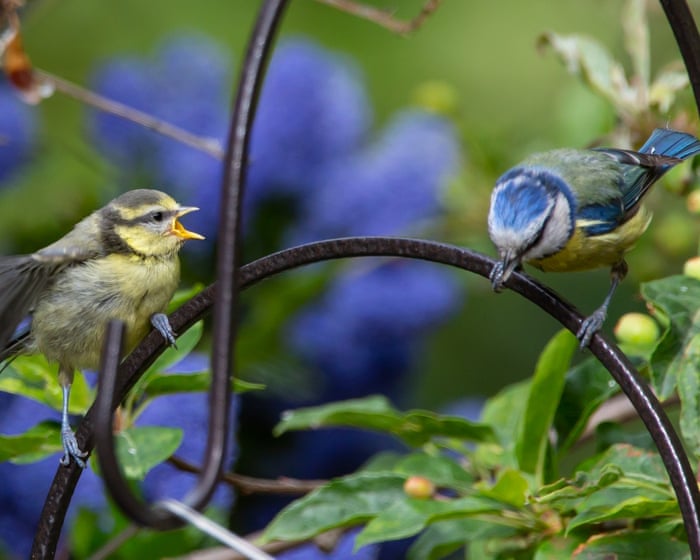
Experts call for restrictions on pet flea treatments that harm UK songbirds
Summary
Researchers found harmful pesticides from common pet flea treatments on the feathers of UK garden songbirds. Conservationists and vets are urging the government to restrict these treatments, which may harm birds’ health and the environment.Key Facts
- Researchers tested feathers from five common UK garden birds and found pesticides in every sample.
- The pesticides detected include permethrin, imidacloprid, and fipronil, which are banned in farming but used in pet flea and tick products.
- These substances can harm bird brain function, reduce chick growth, and affect breeding success.
- Over 80% of UK cats and dogs get flea or tick treatments yearly, often monthly, which can wash into water and soil.
- Conservation groups want flea treatments to become prescription-only to ensure safer use.
- The UK environment department is reviewing regulations and recently started a public consultation on banning over-the-counter sales of these treatments.
- The study was funded by Songbird Survival and conducted by the University of Sussex.
- Chlorpyrifos, a pesticide banned because it affects children’s brain development, was also found on many feathers.
Read the Full Article
This is a fact-based summary from The Actual News. Click below to read the complete story directly from the original source.
