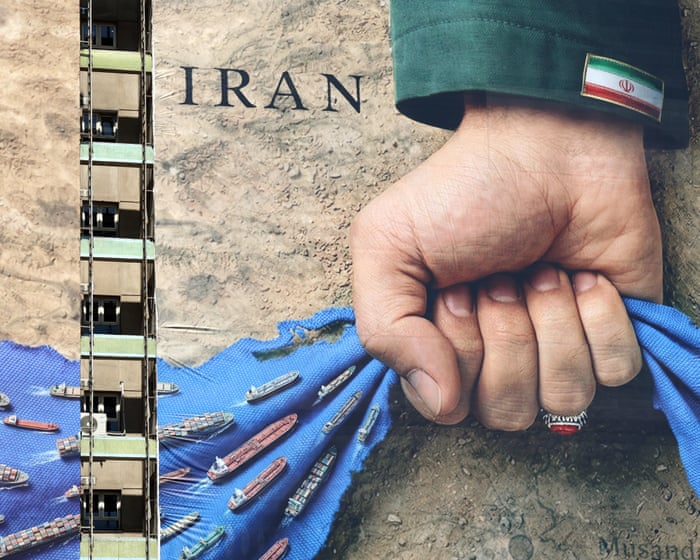
Here is the biggest problem Washington faces: Iran sees no need to compromise | Sina Toossi
Summary
Iran and the United States held the first round of talks in Islamabad after a ceasefire, but no agreement was reached. Iran sees its nuclear stockpile, missile capabilities, and control over a key waterway as important security tools and is unwilling to make major concessions. The ceasefire is expiring soon, raising the risk of renewed conflict.Key Facts
- Iran named its delegation's plane "Minab 168" to honor people killed by a US bombing early in the conflict.
- Iran views diplomacy as part of an ongoing struggle, not a sign of weakness or urgency.
- Iran maintains leverage with enriched uranium stockpiles, disruption potential in the Strait of Hormuz, missiles, drones, and regional allies.
- The US strategy assumes pressure can force Iran to make concessions on nuclear and missile programs and regional relationships.
- Iran sees its military and nuclear capabilities as essential for its security, not as negotiable assets.
- US sanctions relief is viewed by Iran as temporary and reversible, while giving up leverage risks more conflict.
- Iranian officials believe that the US aimed for Iran's unconditional surrender through war before any negotiation.
- After the talks failed, President Trump indicated he was not interested in compromise at this time.
Read the Full Article
This is a fact-based summary from The Actual News. Click below to read the complete story directly from the original source.
