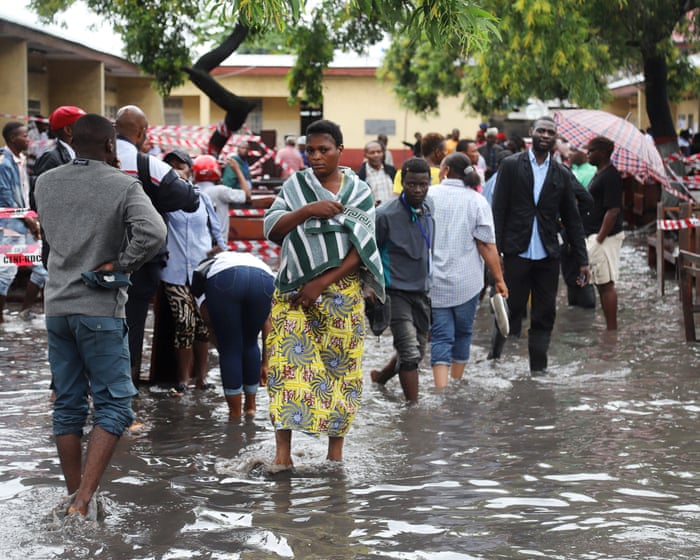
Heatwaves, floods and wildfires pose rising threat to democracy, report finds
Summary
Climate-related events like floods, wildfires, and heatwaves have disrupted nearly 100 elections worldwide in the past 20 years, affecting voting processes and election outcomes. Experts recommend changing election dates and improving disaster planning to protect democratic systems from these rising climate threats.Key Facts
- At least 94 elections in 52 countries have been affected by climate hazards in the last two decades.
- In 2024, climate events disrupted 23 elections in 18 countries, including Brazil, Bosnia and Herzegovina, and Senegal.
- Climate disasters can damage election infrastructure, displace voters, and cause last-minute election changes.
- Extreme heat caused problems in the Philippines 2023 election, where vote-counting machines overheated.
- Lagos, Nigeria, experiences 89 days yearly with temperatures well above historical levels, posing risks to voters.
- Mozambique’s 2019 election was impacted by Cyclone Idai, which flooded homes and infrastructure and influenced election results.
- Some places, like Alberta in Canada, plan to move elections out of high-risk seasons like wildfire season to avoid disruptions.
- Experts suggest election organizers work with weather scientists and emergency agencies and provide election staff with disaster training.
Read the Full Article
This is a fact-based summary from The Actual News. Click below to read the complete story directly from the original source.