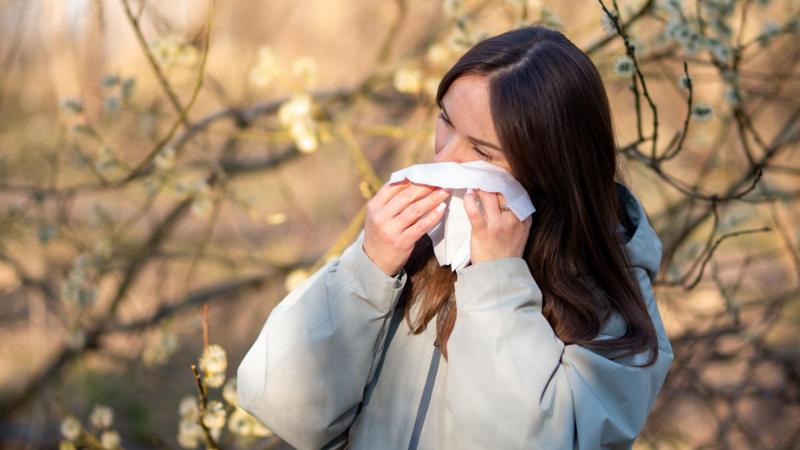
Hay fever misery does last longer - here is how to cope
Summary
A new global study shows that climate change has made the pollen season longer by up to two weeks compared to the 1990s. This means people with hay fever may experience symptoms like sneezing and itchy eyes for a longer time each year. Experts suggest using medicines and avoiding pollen exposure to help reduce symptoms.Key Facts
- The pollen season has started 1-2 weeks earlier recently than in the 1990s.
- Climate change, causing warmer weather, is linked to this longer pollen season.
- Birch, alder, and olive trees, common in Europe, are main sources of pollen studied.
- Warm and dry days help spread pollen widely, often creating a "pollen bomb."
- Hay fever symptoms can reduce quality of life, cause missed work, poor sleep, and affect students’ exam results.
- Pollen can trigger asthma attacks and worsen lung conditions like COPD.
- Hay fever treatments include antihistamine tablets, steroid nasal sprays, and eye drops.
- Avoiding pollen by showering after being outdoors, wearing sunglasses, and using pollen filters can help reduce symptoms.
Read the Full Article
This is a fact-based summary from The Actual News. Click below to read the complete story directly from the original source.