You want your Moon landings in HDTV? So does NASA—here's how it's happening.
Summary
NASA’s Artemis II mission used new laser communication technology to send much higher-quality video and images from the Moon to Earth. This system can transmit data much faster than older radio methods but requires clear skies and special ground stations to work well.Key Facts
- Artemis II astronauts sent low-definition video most of the time using radio waves.
- They also sent some high-resolution photos using laser communication, which transmits data with light instead of radio waves.
- Laser communication can send data about 50 times faster than traditional radio systems.
- The high-speed laser signals need clear skies and special ground stations to be received.
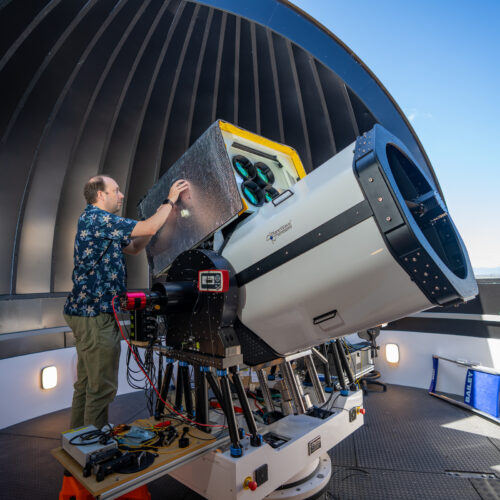
- NASA has only three ground stations able to receive laser signals so far (two in the U.S. and one in Australia).
- Laser systems use less power and smaller transmitters compared to radio ones.
- To ensure constant laser communication, NASA may need around 40 ground stations worldwide.
- Artemis II tested a lower-cost ground terminal for laser communication to help expand the system in the future.
Read the Full Article
This is a fact-based summary from The Actual News. Click below to read the complete story directly from the original source.