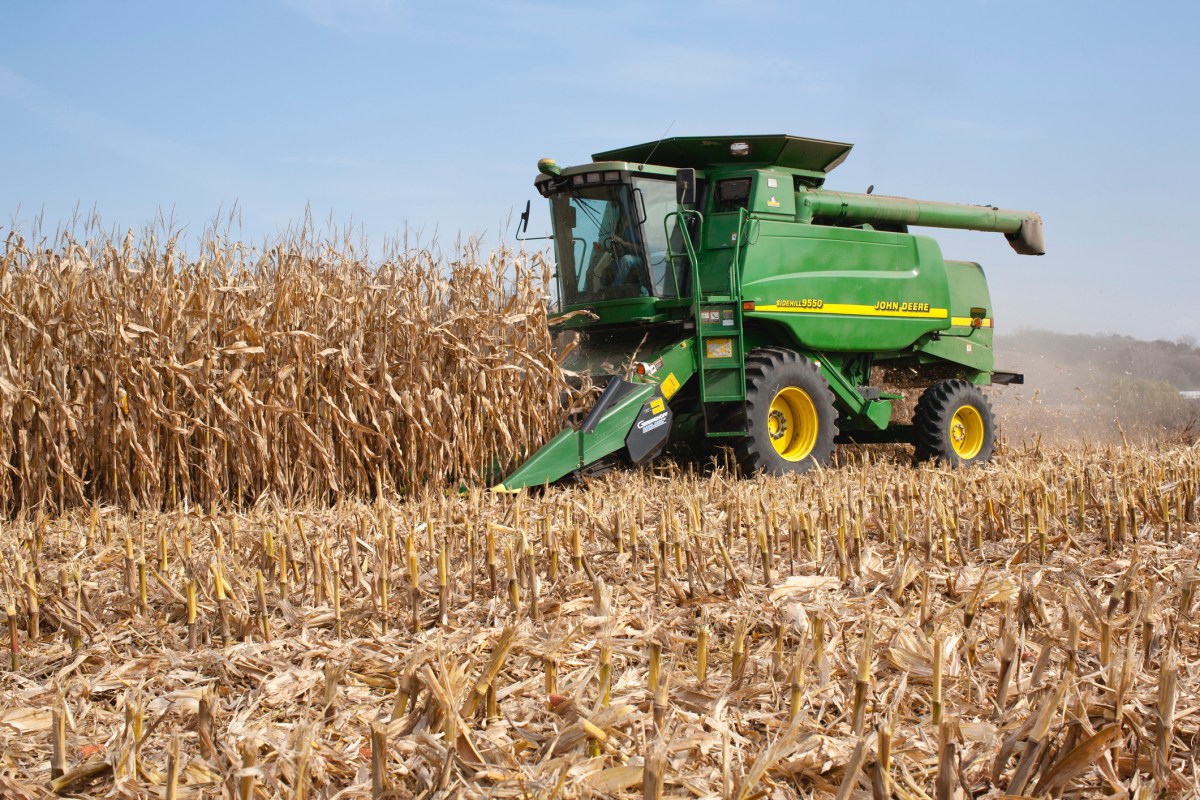
How Rising Corn Prices Could Push U.S. Food Inflation Higher
Summary
Rising corn prices in the United States are causing overall food costs to increase. Higher fertilizer and fuel costs, partly due to the war in Iran disrupting key trade routes, are making it more expensive for farmers to grow crops, which leads to higher prices at grocery stores and restaurants.Key Facts
- The conflict in Iran has disrupted the Strait of Hormuz, a major route for oil and fertilizer shipments.
- Fertilizer prices, especially nitrogen-based types like urea, have increased sharply, affecting farmers’ expenses.
- Farmers must decide whether to pay more for fertilizer, reduce usage and risk lower crop yields, or switch to crops needing less fertilizer.
- Corn is a crucial crop in the U.S. food system, heavily affected by rising fertilizer costs.
- The USDA predicts overall food inflation will rise by 3.6% in 2026, with grocery prices up 3.1% and restaurant meals up 3.9%.
- Higher corn prices increase costs for meat, dairy, and eggs because corn is the main feed for livestock.
- Beef and veal prices are already up 14.4% from last year, with more increases expected.
- Feed costs remain high even as some farm-level milk prices fall, adding pressure on dairy production costs.
Read the Full Article
This is a fact-based summary from The Actual News. Click below to read the complete story directly from the original source.