From scientist to silk farmer: India's silk industry renewal
Summary
India’s silk industry is growing by combining traditional farming with modern science and technology. Farmers and companies use new methods like artificial intelligence and genome editing to improve silk production and create disease-resistant silkworms.Key Facts
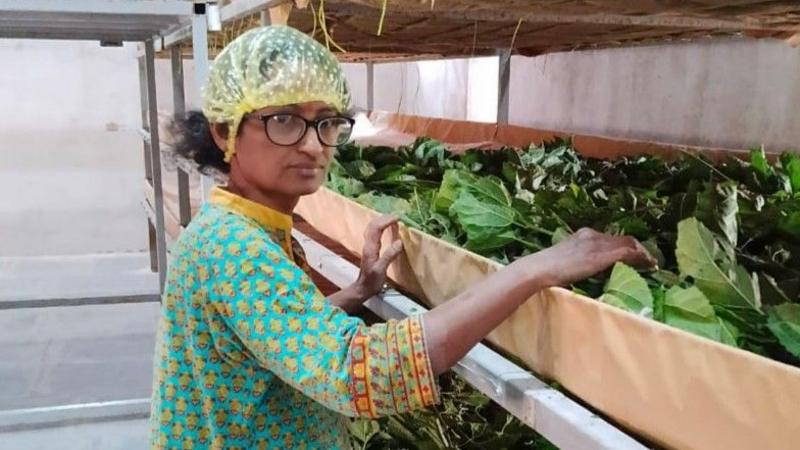
- Dr. Jolapuram Umamaheswari left her science job to start silk farming in India, producing 10 silk crops a year and earning a steady income.
- Sericulture is the process of raising silkworms on mulberry leaves to harvest silk fibers from their cocoons.
- Asho Farms uses advanced technology like sensors, AI, and machine learning to monitor silkworm health and control the environment.
- India is the second-largest silk producer in the world, after China.
- India uniquely produces all four types of commercial silk: Mulberry, Tasar, Eri, and Muga.
- Muga silk is found only in India, mainly in Assam and Meghalaya.
- Scientists are using genome editing to develop silkworms that resist diseases, working with international partners.
- By-products of silk production, like silkworm pupae, are protein-rich and used as animal feed.
Read the Full Article
This is a fact-based summary from The Actual News. Click below to read the complete story directly from the original source.