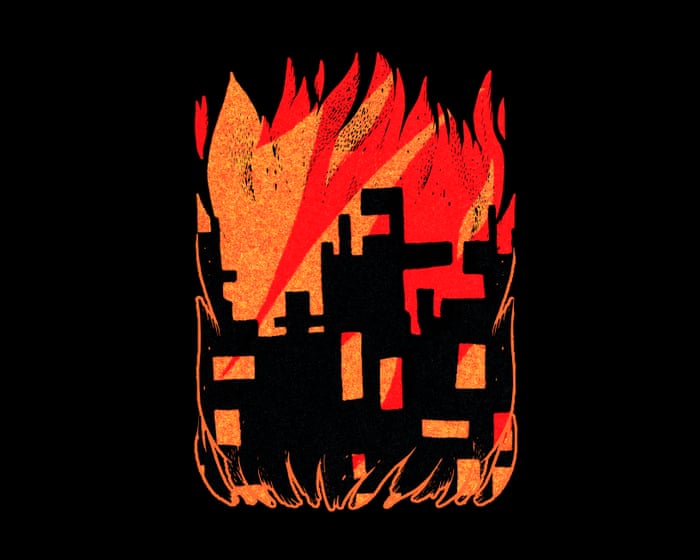
The Gaza model: is this what war looks like now? | Mohamad Bazzi
Summary
On 8 April 2026, Israeli forces launched a massive airstrike on multiple locations in Lebanon, including Beirut, causing heavy destruction and hundreds of casualties. This attack followed a ceasefire period but was part of a broader pattern of intense conflict involving Israel, Lebanon, and Gaza with major impacts on civilians and infrastructure.Key Facts
- On 8 April 2026, Israel bombed 100 targets in Lebanon, including Beirut, causing at least 357 deaths and over 1,200 injuries.
- The Israeli military said it targeted Hezbollah military sites and claimed to have killed more than 250 fighters.
- The operation was named "Operation Eternal Darkness" by Israel and called "Black Wednesday" by Lebanese people.
- The bombing came after a ceasefire had started between the US-Israel coalition and Iran, which was recently extended to Lebanon.
- Israel occupies more than 50 towns in southern Lebanon and has destroyed villages to create buffer zones.
- The attack follows a military strategy seen in previous conflicts, including Israel’s 2023 campaign in Gaza involving heavy bombings and forced evacuations.
- This strategy aims to weaken militant groups by attacking civilian areas and infrastructure, a method developed over two decades known as the "Dahiyeh doctrine."
- The article suggests this kind of destruction is becoming a common tactic in the region’s conflicts, often without strong international opposition.
Read the Full Article
This is a fact-based summary from The Actual News. Click below to read the complete story directly from the original source.