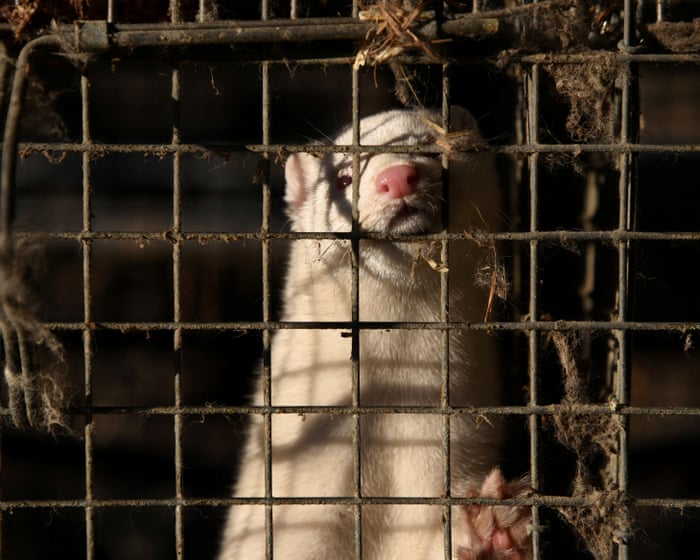
Ban fur farming or risk a new pandemic | Neil Vora
Summary
Fur farming involves keeping many animals in crowded cages to produce fur coats, but this practice creates high risks for new diseases to spread and infect humans. Some countries are banning fur farming to protect health and animal welfare, but others are still supporting the industry with government funds.Key Facts
- Millions of animals on fur farms are kept in crowded cages and suffer poor living conditions.
- Mink on fur farms can catch and spread viruses easily, which may create dangerous new strains of disease.
- In 2020, Denmark killed 17 million mink to stop the spread of mink-related coronavirus variants.
- The fur industry has shrunk, with fewer farms and declining sales in the European Union.
- Some European countries have banned or limited fur farming, and many citizens want a full EU-wide ban.
- The European Commission delayed its decision on banning fur farms and may reject a total ban due to economic concerns.
- The U.S. House agriculture committee recently supported taxpayer funds to help mink farmers grow their business internationally.
- Experts say ending fur farming could be an important step to prevent future pandemics and improve animal welfare.
Read the Full Article
This is a fact-based summary from The Actual News. Click below to read the complete story directly from the original source.