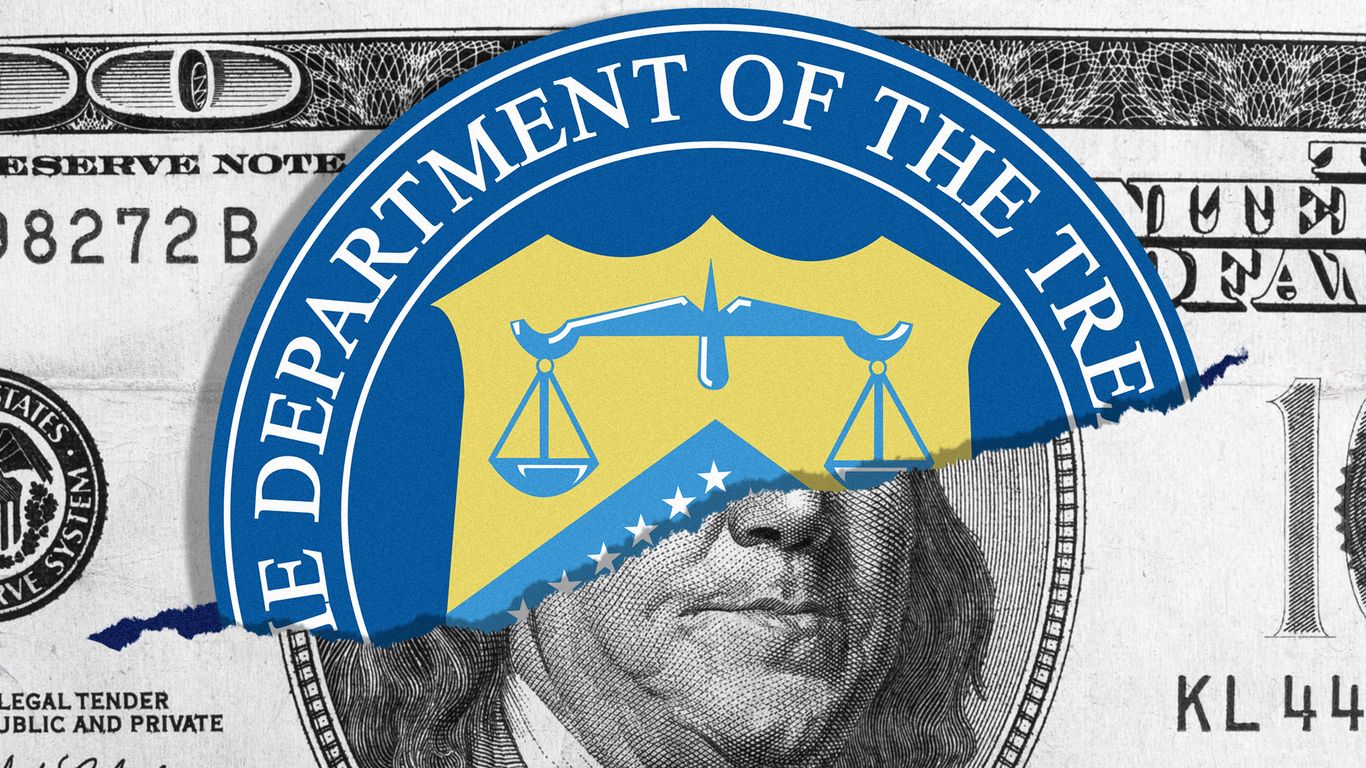
How a swap line for Persian Gulf allies would break with the past
Summary
The U.S. Federal Reserve may provide dollar liquidity support through swap lines to Persian Gulf countries like the UAE due to regional tensions affecting trade routes. This would be a new use of swap lines, which have previously been used mostly to address global financial stability risks rather than geopolitical support.Key Facts
- Swap lines are agreements where the U.S. Federal Reserve lends dollars to foreign central banks to ease dollar shortages.
- The Fed first used swap lines extensively during the 2007-2008 global financial crisis to protect the U.S. economy from foreign dollar funding problems.
- Traditionally, swap lines were granted to major economies like the G7 and select emerging markets with close U.S. ties and stable systems.
- Gulf countries such as the UAE, Qatar, and Bahrain have now requested swap lines due to regional risks like the closure of the Strait of Hormuz.
- Treasury Secretary Scott Bessent confirmed these requests and supports considering the use of swap lines for Gulf allies.
- The Treasury’s Exchange Stabilization Fund has about $218 billion for currency market interventions, while the Fed’s balance sheet can be much larger.
- Using swap lines for Gulf allies would represent a shift towards a more strategic geopolitical purpose, not just financial stability.
- Fed officials, including nominee Kevin Warsh, suggest closer coordination with the executive branch on decisions about swap lines.
Read the Full Article
This is a fact-based summary from The Actual News. Click below to read the complete story directly from the original source.