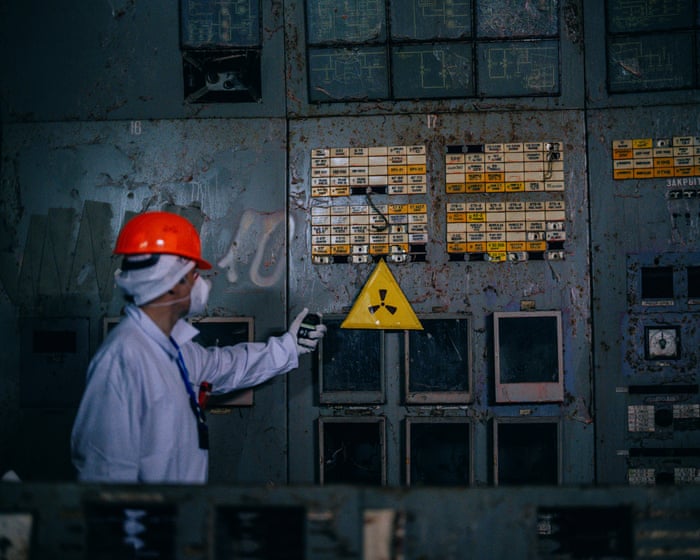
Inside Chornobyl: 40 years after disaster, nuclear site still at risk in Russia’s war
Summary
The Chornobyl nuclear power plant, site of the 1986 disaster, still contains dangerous radioactive material inside a protective steel structure called the New Safe Confinement (NSC). In February 2025, a Russian drone damaged the NSC during the ongoing war in Ukraine, raising concerns about the risk of radioactive release and the urgent need for costly repairs.Key Facts
- The New Safe Confinement (NSC) is a large steel shelter built over Chornobyl’s reactor No. 4 to contain radioactive material.
- The NSC was completed in 2019, costing $2.5 billion and funded by 45 countries.
- Inside the NSC is the “sarcophagus,” a concrete tomb covering the destroyed reactor, holding about 180 tonnes of nuclear fuel and radioactive dust.
- In February 2025, a Russian drone strike created a hole in the NSC’s roof, damaging its protective structure.
- If the sarcophagus collapses, radioactive material could be released into the air, posing serious environmental and health risks.
- Repairing the damage is estimated to cost up to €500 million, but Ukraine has not yet secured these funds.
- Russia’s ongoing attacks and drone flights near the plant continue to threaten Chornobyl’s safety.
- The NSC was designed to last 100 years but needs full repairs within four years to maintain its integrity.
Read the Full Article
This is a fact-based summary from The Actual News. Click below to read the complete story directly from the original source.