From syringes to stents: Iran war exposes NHS dependency on petrochemicals
Summary
The war in Iran is causing worries for the NHS in the UK about shortages and higher costs for medical supplies like syringes, gloves, and medicines. The conflict has disrupted petrochemical supplies and shipping routes, which are crucial for making many healthcare products. NHS officials are increasing stockpiles and seeking extra government funding to face possible problems if the war continues.Key Facts
- The NHS spends about £8 billion yearly on medical equipment and consumables and £21.6 billion on medicines.
- Many medical products rely on petrochemicals, which are currently delayed due to the Gulf shipping standstill caused by the Iran war.
- The Iran war has disrupted oil supply, shipping routes, and Middle East airports important for transporting medicines.
- NHS England is buying more drugs and supplies now to build buffers against future shortages.
- Supply chains for cancer drugs and other medicines are fragile, often depending on a single supplier.
- NHS Supply Chain manages over 620,000 products and is working with suppliers to maintain deliveries.
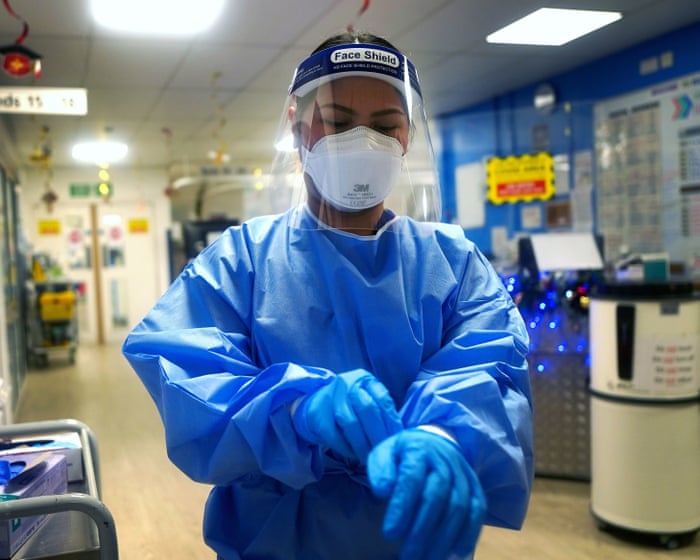
- Medical staff at some hospitals use millions of gloves annually and are being encouraged to reduce overuse.
- The NHS might ask the government for more money if prices rise significantly due to the war.
Read the Full Article
This is a fact-based summary from The Actual News. Click below to read the complete story directly from the original source.