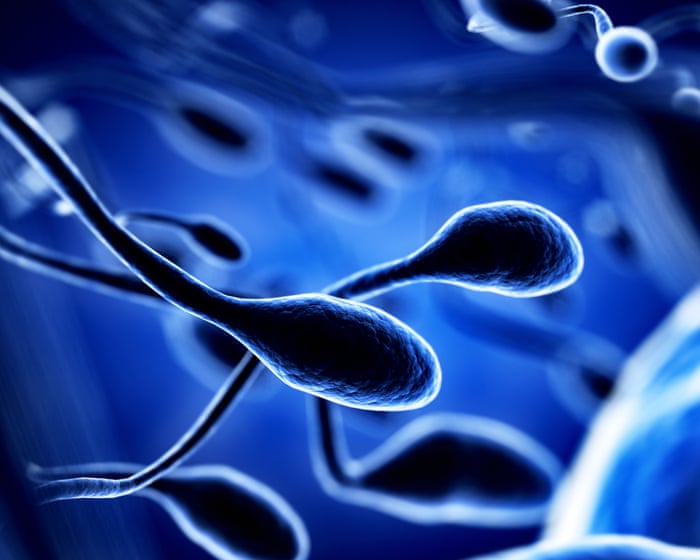
Toxins plus climate harms likely cause of reduced fertility, study finds
Summary
A new study found that toxic chemicals in the environment and climate change together might cause more harm to fertility than either alone. This combined effect may be a key reason why fertility rates are dropping worldwide in humans and animals.Key Facts
- The study reviewed 177 scientific papers about fertility and environmental harm.
- Chemicals called endocrine disruptors, found in plastics and other products, can harm reproductive health in many species.
- Climate change effects like heat stress also reduce fertility and can disrupt natural processes like determining the sex of some animals.
- When organisms face both toxic chemicals and climate stress at the same time, the damage to fertility is likely greater than from just one factor.
- Examples include lower sperm counts and abnormal reproductive organs seen in humans, fish, birds, rodents, and invertebrates.
- The world’s fertility rates are falling, with many countries expected to have fewer births than needed to replace their populations by 2050.
- The study highlights an urgent need to understand how multiple environmental threats combine and affect reproduction.
- Experts call for more research into how these factors overlap and add to the dangers for species survival.
Read the Full Article
This is a fact-based summary from The Actual News. Click below to read the complete story directly from the original source.