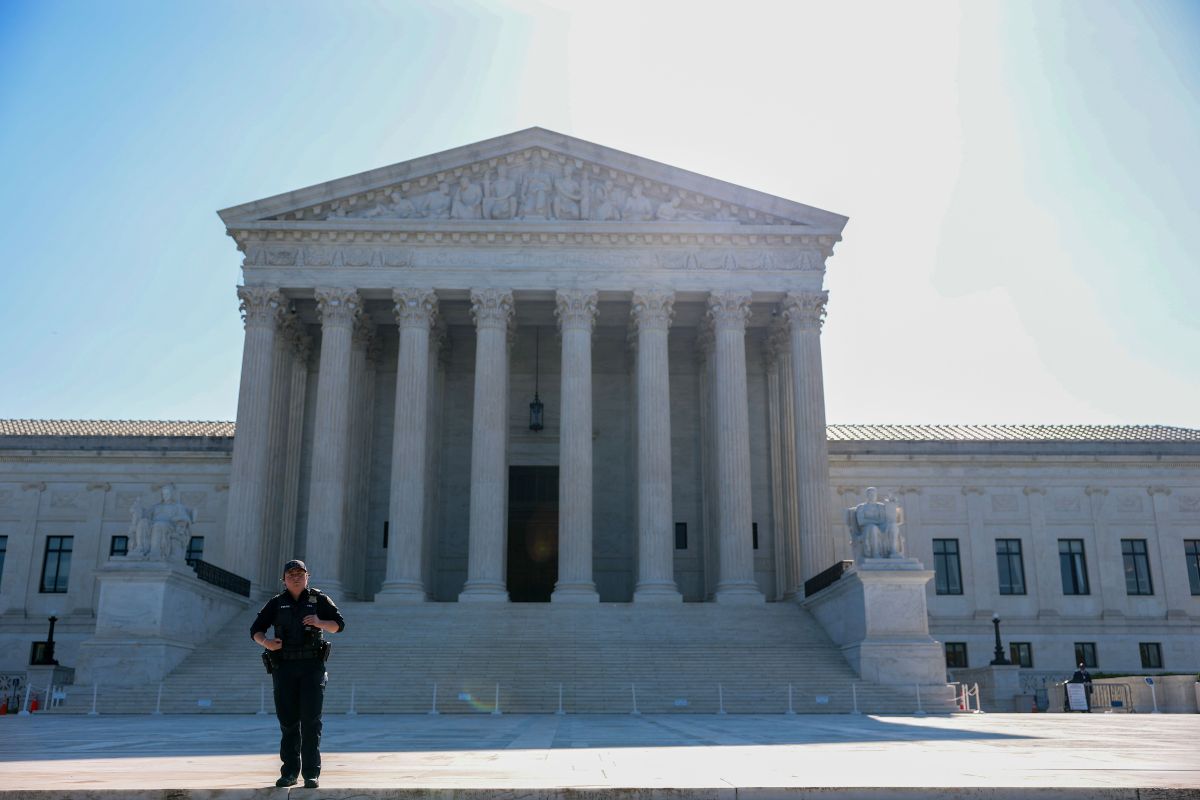
Supreme Court Signals Support for Police Geofence Warrants
Summary
The U.S. Supreme Court is considering whether police can use geofence warrants, which let them get location data from cellphones near crime scenes during specific times. The court’s decision will affect how police across the country use this digital tool and how it fits with the Fourth Amendment, which protects against unreasonable searches.Key Facts
- Geofence warrants create a virtual boundary around a place and ask companies like Google to identify cellphones in that area during certain times.
- The Supreme Court is reviewing a case involving Okello Chatrie, who was convicted of a 2019 bank robbery in Virginia using location data gathered by a geofence warrant.
- Some justices seemed to support allowing geofence warrants but may try to limit how broadly they can be used.
- Civil rights groups worry that geofence warrants capture information from innocent people who were near a crime scene.
- Different federal appeals courts have disagreed on whether geofence warrants are allowed under the Fourth Amendment, making this a key case for the Supreme Court.
- Related legal debates involve reverse keyword warrants, which track who searched certain terms online and raise similar privacy concerns.
- Geofence and reverse keyword warrants are tools police use when they have few other clues to find suspects.
- Okello Chatrie is serving nearly 12 years in prison, and even if the Court rules for him, the evidence from the warrant may still be used because police believed they acted lawfully.
Read the Full Article
This is a fact-based summary from The Actual News. Click below to read the complete story directly from the original source.