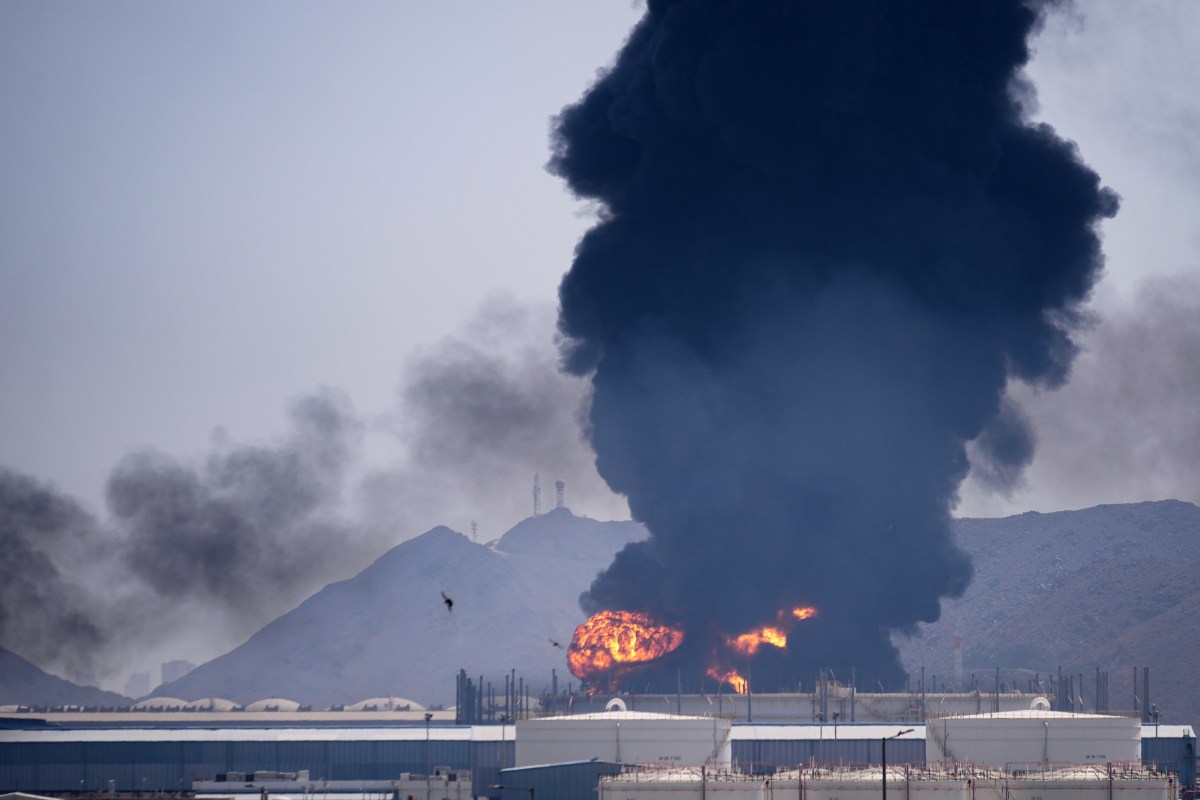
UAE To Leave OPEC In Win For Trump Against Oil Cartel
Summary
The United Arab Emirates (UAE) plans to leave OPEC, the group of major oil exporting countries, on May 1 after being a member for over 50 years. This decision comes amid tensions with Saudi Arabia, the impact of the war involving Iran, and pressures on Gulf oil exporters. The UAE wants more control over its oil production and investment, and the move may benefit President Donald Trump by challenging OPEC's influence on oil prices.Key Facts
- The UAE will leave OPEC and OPEC+ on May 1.
- The UAE has been a member of OPEC since 1967 (over 50 years).
- Tensions with Saudi Arabia and the Iran war are factors in the UAE's departure.
- The Strait of Hormuz, a key oil shipping route, is affected by the Iran conflict, impacting global oil supply.
- OPEC will lose about 15 percent of its oil production capacity due to the UAE exit.
- The UAE wants more freedom to increase its oil production and invest in domestic energy.
- President Trump has criticized OPEC for raising oil prices and may benefit from the UAE's decision.
- The departure may cause instability within OPEC, which typically tries to act as one group.
Read the Full Article
This is a fact-based summary from The Actual News. Click below to read the complete story directly from the original source.