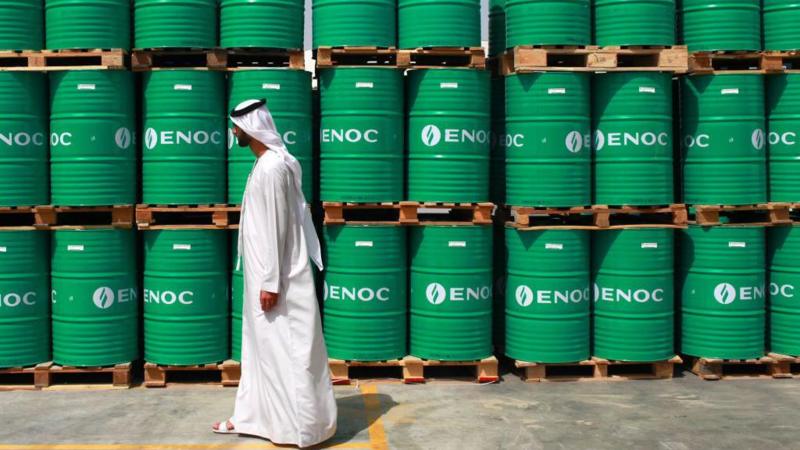
Faisal Islam: Why the UAE's exit from Opec is a big deal
Summary
The United Arab Emirates (UAE) has decided to leave OPEC, the group of oil-exporting countries that controls oil supply and prices. The UAE wants to produce more oil than OPEC’s limits allow and is planning new pipelines to increase its oil exports.Key Facts
- The UAE was a founding member of OPEC, joining even before becoming a country in 1971.
- OPEC helps control oil prices by setting production quotas for its members.
- The UAE had the second largest spare oil production capacity in OPEC, meaning it could increase oil supply to affect prices.
- OPEC limited the UAE’s oil production to about 3-3.5 million barrels per day.
- The UAE plans to increase production to around 5 million barrels per day after leaving OPEC.
- New pipelines from Abu Dhabi will bypass the Strait of Hormuz, a key shipping route that faces tensions.
- Saudi Arabia may respond to the UAE’s increased oil production by lowering prices, causing economic pressure on less wealthy OPEC members.
- The world is reducing its reliance on oil as other energy sources grow, which may explain the UAE’s decision to sell more oil quickly.
Read the Full Article
This is a fact-based summary from The Actual News. Click below to read the complete story directly from the original source.