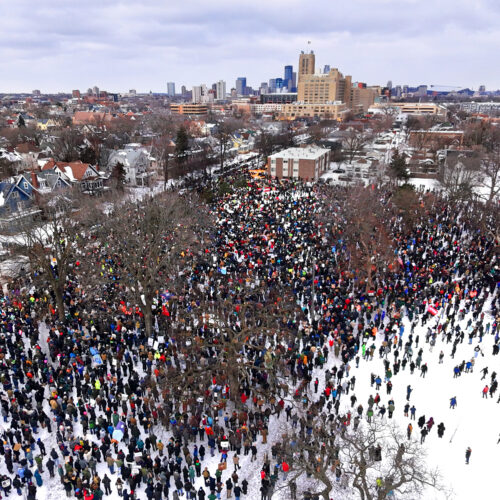
Drone pilot makes US rescind no-fly zones around unmarked, moving ICE vehicles
Summary
In January 2026, U.S. authorities expanded drone no-fly zones to include moving and unmarked vehicles of the Department of Homeland Security (DHS). This policy raised concerns among drone pilots and caused confusion because the zones were large, constantly moving, and difficult to detect, putting many drone operators at risk of unintentionally violating the rules.Key Facts
- The no-fly zones were expanded to cover 3,000 feet horizontally and 1,000 feet vertically around DHS ground vehicles, even when moving and unmarked.
- Before this change, no-fly zones mainly applied to certain federal facilities or military vehicles.
- Drone pilots risk penalties, including civil and criminal punishment, if their drones are seen as security threats near these vehicles.
- Minneapolis drone pilot Rob Levine stopped flying after the expansion due to fear of enforcement actions.
- The Federal Aviation Administration (FAA) described the new restrictions as "ambiguous," admitting any flight might accidentally violate the rules.
- The policy created large, moving restricted airspaces that drone operators could not easily identify or avoid.
- The Drone Service Providers Alliance called the policy an "impossible compliance problem" for drone users.
- The changes followed increased federal law enforcement actions and incidents that raised tensions in Minneapolis in early 2026.
Read the Full Article
This is a fact-based summary from The Actual News. Click below to read the complete story directly from the original source.